






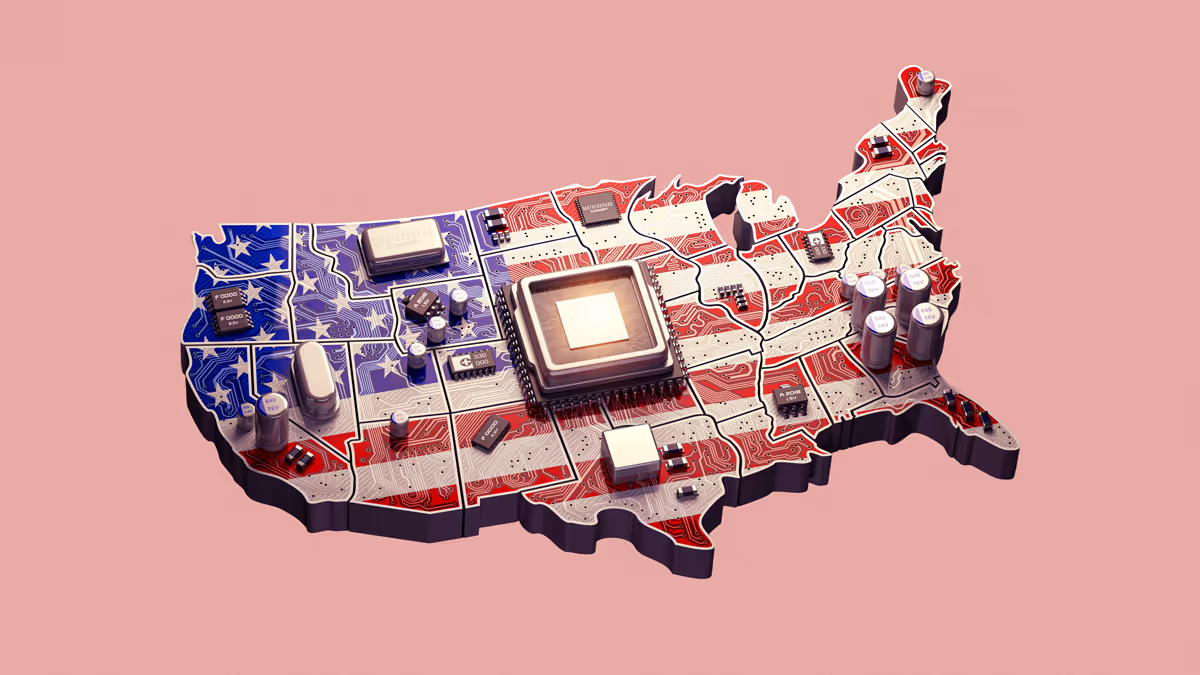
Supplier purchase orders are signaling a sharp increase in backend semiconductor demand as fabrication output grows. Attention is shifting toward assembly, testing, and packaging capacity. The surge is placing new pressure on semiconductor packaging US providers, who are now central to maintaining production flow. The trend highlights how backend processes are becoming a critical constraint in the broader manufacturing cycle.
Why Semiconductor Packaging US Demand Is Accelerating
More packaging orders are coming in because both the US and global factories are making more wafers. As these chips leave fabrication, they need to be packaged immediately for use. This directly connects front-end production with back-end capacity.
Packaging is now a key part of the manufacturing process. Advanced chips require complex packaging methods that integrate multiple components. This means each unit takes longer and requires more skill to finish.
The strain on the chip supply chain is clear at this point. If packaging is delayed, it can stop the whole production process. This makes back-end capacity just as important as chip fabrication.
Back-End Processes Move to the Forefront
In the past, packaging was considered less important in semiconductor manufacturing. But as chips have become more complex, this view has changed. Now, advanced packaging is crucial for both performance and efficiency.
Technologies such as 2.5D and 3D packaging require careful engineering and specialized equipment. These methods boost performance but also make production more complicated. Because of this, packaging facilities must improve their capabilities to keep up.
The changing chip supply chain relies on these new technologies. If there isn’t enough packaging capacity, even the best chips can’t be sold. This makes backend operations more strategically important.
Supplier Activity Signals Capacity Constraints
Recent orders show that packaging services are getting backed up. Companies are booking capacity early to avoid delays, which shows they are worried about shortages soon.
Suppliers of equipment are also seeing more demand for packaging tools. Orders for bonding, testing, and inspection systems are going up. This shows a wider push to grow back-end infrastructure.
Packaging service lead times are getting longer. This makes it harder for companies to stick to tight production schedules. Handling these delays means companies need to coordinate closely across the supply chain.
Regional Expansion and Investment Trends
US packaging providers are investing to meet rising demand. They are expanding their facilities to handle more work and boost efficiency. The goal is to rely less on overseas packaging services.
Government incentives are helping this growth. Policies to boost US semiconductor strength now include funding for backend operations. This encourages companies to build and upgrade local facilities.
The growth of semiconductor packaging US capabilities also attracts related industries. Equipment suppliers, materials providers, and logistics companies are expanding their presence. This creates a more integrated and resilient ecosystem.
Challenges in Scaling Packaging Operations
It’s harder to scale up packaging capacity than to boost chip production. The process needs special equipment and skilled workers, both of which are in short supply right now.
Training workers for advanced packaging jobs takes time. Companies have to invest in education and certification, which slows the rate at which new capacity can be added.
Material shortages are another challenge. Key components such as substrates and bonding materials are essential to packaging. If these are in short supply, production can be delayed even more.
Strategic Implications for the Semiconductor Industry
Growing demand for packaging is changing what the bag industry focuses on. Companies now see that backend operations are just as important as other steps. Investment plans now include packaging and fabrication.
The semiconductor packaging US sector is becoming a focal point for long-term planning. Strengthening this segment improves overall supply chain resilience. It also reduces reliance on external partners.
This change affects global competition. Countries that invest in packaging can lead and advance semiconductor production. As a result, the industry’s balance of power may shift.
Risk and Opportunity in Backend Expansion
The current jump in demand brings both risks and opportunities. Companies that lock in packaging capacity early can maintain steady production. Those who don’t may face delays and higher costs.
Packaging bottlenecks are becoming a major risk. Insufficient capacity can slow down the entire manufacturing process. This shows why coordinated investment across the supply chain is essential.
At the same time, this situation opens doors for new players. Companies that grow their packaging abilities can win more market share. This encourages innovation and competition in the sector.
Outlook, Shop Packaging and Supply Chain Dynamics
The future of semiconductor manufacturing depends on balanced growth at every stage. Packaging will be a central part of this system. Having enough capacity is key to keeping the industry moving forward.
New technology will keep changing how packaging is done. These methods will make things more efficient and improve performance, but they will also need constant investment and adaptation.
How fabrication and packaging work together will shape the next stage of growth. Companies need to plan for both areas to stay competitive in a fast-changing market.
Final Perspective on Packaging Demand Surge.
Rising Orders Reflect Structural Shift
More packaging orders point to a bigger change in the industry. Back-end operations are now essential for overall performance. This is changing how companies handle manufacturing.
Managing Bottlenecks for Stable Growth
Solving capacity limits is key to keeping production moving. Companies need to invest in both infrastructure and workforce training. Managing these areas well helps ensure long-term stability.
Building Resilient Domestic Capabilities
Strengthening local packaging capabilities provides strategic advantages. It enhances supply chain resilience and supports national objectives. The growth of semiconductor packaging in the US will remain a key factor in the industry’s future.








