






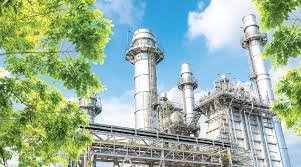
Power demand from AI workloads is rising faster than utilities expected, forcing a rapid rethink of infrastructure planning. Training clusters and inference systems now consume energy at a scale once limited to heavy industry. This surge is placing pressure on data center energy USA capacity, especially in regions already operating near grid limits. As utilities respond, the pace of upgrades is becoming a defining factor in how quickly AI infrastructure can expand.
Data Center Energy USA Drives a New Utility Playbook
Utilities are moving away from long-term planning and adopting faster ways to get things done. Demand from AI is harder to predict and often jumps in big steps, so they need to expand capacity more flexibly. Old timelines no longer match the rapid pace of new data center construction.
As a result, approval processes are moving faster, and investment strategies are changing. Utilities are focusing on projects that support high-intensity computing centers. Their aim is to prevent delays that could slow AI-driven economic growth.
The push for grid upgrades underscores the urgency of the situation. Substations, transmission lines, and distribution systems are being upgraded to handle more power. These changes are necessary to keep the grid reliable as demand increases.
When Algorithms Meet Megawatts
AI workloads differ from traditional enterprise computing because they require steady, high-intensity power rather than varying usage. This brings new challenges for balancing supply and demand on the grid.
Now, utilities have to plan for constant peak loads. This changes how they manage power generation and reserves, making real-time monitoring and response systems even more important.
In this situation, the need for grid upgrades is obvious. Without strong infrastructure, even minor disruptions can cause big problems. Reliable power is essential to keep AI systems running.
The Geography of Power: Where Demand Is Surging
Demand growth is not the same everywhere. Regions with established data center clusters are seeing the fastest increases. These spaces already have some infrastructure, which makes them appealing for further expansion.
But having so many data centers in one area can cause bottlenecks. Local grids may struggle to meet new demand, so utilities in these regions are under pressure to add capacity quickly.
The spread of data center energy USA demand into new regions is also notable. Companies are exploring locations with available power and land. This helps reduce the risk and balance the load across the network.
Infrastructure Strength Meets Engineering Innovation
To meet rising demand, utilities need more than just extra capacity. They are using new technologies to boost efficiency and resilience, including advanced transformers, smarter distribution systems, and improved forecasting tools.
Energy storage is now part of the solution. Batteries help manage peak demand and provide backup during outages, adding flexibility to the grid and supporting continuous operations.
More renewable energy is also being used. Solar and wind projects are now directly connected to data center operations, helping meet sustainability goals and growing energy needs.
Speed Versus Stability: The Ultimate Balancing Act
Speeding up infrastructure projects brings new risks. Utilities must ensure that rapid expansion does not compromise system stability. Careful planning and testing are needed to keep things reliable.
Regulations are changing, too. Governments are updating policies to allow faster development while still maintaining oversight. This makes the environment for infrastructure projects more dynamic.
It’s crucial for utilities and data center operators to work closely together. Clear communication helps set expectations and timelines. Without it, projects may be delayed or overrun.
Strategic Implications for AI Infrastructure Growth
Now, energy availability is a top factor in site selection. Companies consider power access as much as connectivity and cost, which changes the competition for data center development.
Utilities that can add capacity quickly have an edge. They attract more investment and help local economies grow, creating a cycle that drives even more infrastructure development.
The expansion of data center energy USA capacity is shaping long-term industry trends. It influences where AI clusters form and how they scale. Energy is no longer just a support function; it is a strategic asset.
Risk and Opportunity in a Power-Constrained Future
Energy bottlenecks are a real risk for AI growth. Infrastructure delays can slow new projects and raise costs, so companies need to plan carefully to avoid them.
At the same time, there are chances for innovation. New technologies and business models can help solve energy challenges, including partnerships between utilities and private companies.
Companies that act early can secure key resources. By working with utilities, they can make sure they have reliable power, giving them an advantage in a fast-growing market.
What Comes Next for Powering AI Systems?
The relationship between utilities and data centers will continue to evolve. Both need to adapt to new demand patterns and technology. Working together will be essential to meet future needs.
Investment in infrastructure will stay high. As AI use grows, utilities will probably keep expanding capacity. This will mean ongoing coordination with regulators and industry partners.
Innovation will be important, too. New ways to generate, store, and distribute energy will shape the grid’s future and support the next stage of AI growth.
Final Thoughts on Energy and AI Expansion
Power as the New Limiting Factor
Energy availability is now the main limit on AI growth. Without enough power, even the best systems cannot run. This makes planning infrastructure more important than ever.
Building Grids That Keep Pace
Rail- railways need to keep modernizing and expanding their networks. This helps them meet growing demand while staying reliable. Long-term success depends on steady investment.
Securing Advantage Through Energy Strategy
Companies that focus on energy planning will be better prepared for growth. Reliable power lets them deploy and scale faster. The future of AI will depend on how well energy challenges are handled.








