





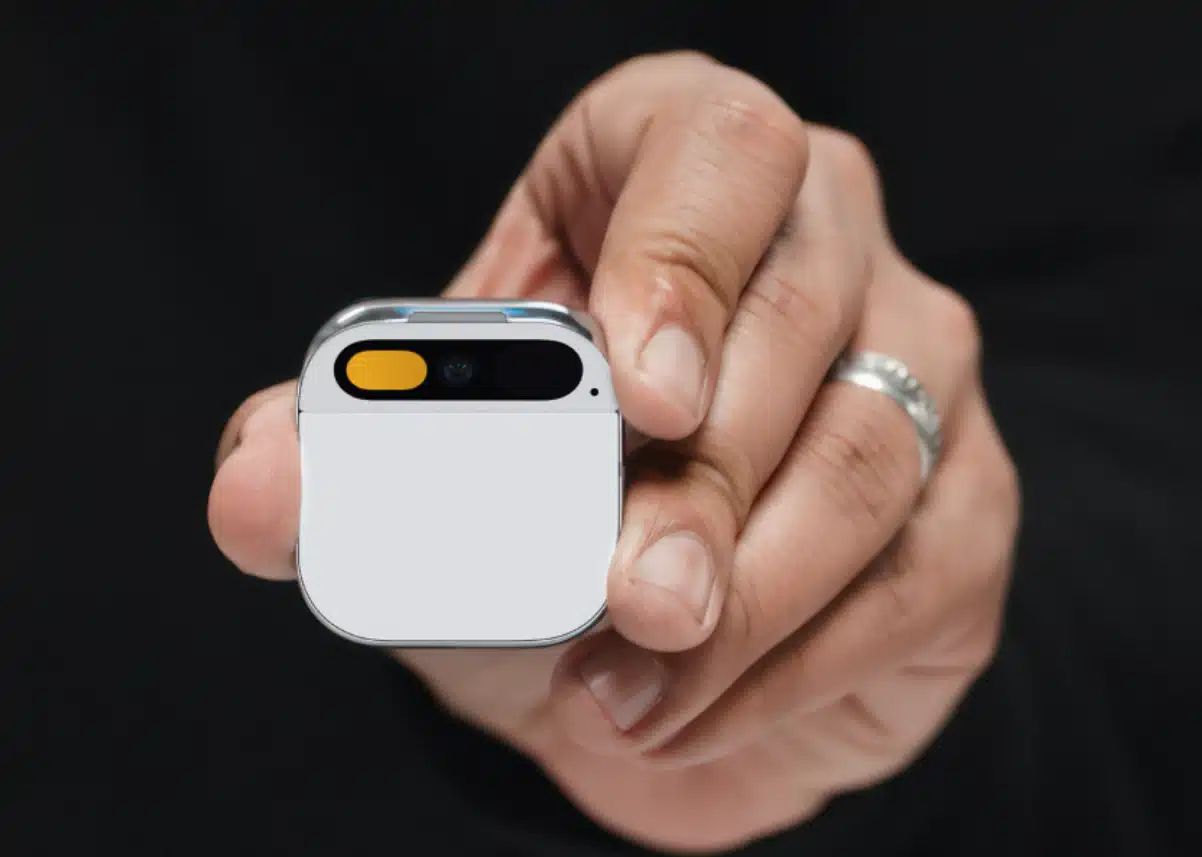
Humane has introduced performance upgrades to its AI wearable platform, focusing on faster real-time processing and improved responsiveness. The update reflects a broader push to make screenless devices more practical for everyday use, as artificial intelligence increasingly shifts from cloud-dependent systems to on-device execution.
These enhancements have also helped eliminate lag in interactions between the user and the AI, such as how quickly the AI processes a voice command and responds based on the user’s context or the environment. This is a very important step in developing AI devices, especially in terms of adoption, where speed and convenience will be the two biggest factors in whether a person chooses to adopt an AI wearable.
Improving Real-Time AI Responsiveness
Artificial intelligence wearables have faced several challenges, one of the most significant being response time. The first generation of AI wearables was primarily cloud-based, resulting in a significant lag between when a user performed an action on their device and when they received feedback from the cloud.
Humane’s new device upgrade has focused on on-device processing to improve response times. By pushing more processing power onto the device itself, tasks like voice recognition, translation, and contextual assistance can now be completed nearly instantly.
The reduction in processing delays will also contribute to a more natural experience when interacting with devices that function without a display.
The Shift Toward Screenless Computing
Devices without screens are a new class of personal computers that use non-visual interfaces, such as voice recognition, gesture recognition, and contextual awareness, for user interaction. Humane’s product is an example of this growing market for devices that don’t use direct or indirect visual interfaces and will provide customers access to services without needing a smartphone or other visual screen-based displays.
Humane is increasing processing speed to help overcome one of the biggest obstacles to realizing screenless computing by ensuring efficiency. Users are unable to interact with their screenless computer visually, so they will rely solely on it to receive information quickly from the moment input occurs until output occurs.
The larger-scale change taking place is a result of these more integrated, ambient technology solutions.
AI as a Personal Assistant Layer
The new version of the wearable serves as an AI assistant that continuously provides both users with information, manages tasks, and interacts with them for the entire day. The increased processing speed enables quick, timely, and helpful responses.
For example, the AI assistant can look at the current time and location in real time to suggest things or answer questions based on what a user is doing and where they are! This approach provides a more seamless user experience than traditional app-based systems.
Humane is positioning its wearable as a continually available personal assistant that fits into the user’s everyday life.
Balancing Cloud and On-Device Processing
On-device AI provides faster performance; however, for complex computations, cloud processing must be used as well. Finding an adequate balance between on-device AI and cloud processing is critical.
The upgrades Humane has given the device show a hybrid model: it will complete simple tasks locally and send more complex processes to the cloud when needed. In this way, the system will achieve a better balance between efficiency and scalability.
By optimizing the distribution between on-device and cloud processing, Humane’s devices will deliver a more consistent, smoother user experience.
Enhancing Practical Use Cases
For AI wearable devices to succeed, clear, practical advantages must be demonstrated. Improved processing speed is essential for supporting a wide range of use cases, from real-time translation and navigation to productivity and communication.
Dynamic interaction with the device will occur without noticeable delay, enabling continued utility for users in their daily activities, such as traveling, working, or interacting with others.
By focusing on performance improvements, Humane is making these use cases more feasible and attractive to users.
Competition in the Wearable AI Space
A growing number of companies are developing various types of devices that utilize wearable AI technology. These devices will allow users to maintain constant contact with others in their environment. Unlike other consumer electronics, most of these devices focus on delivering minimal processing power and experience, while still allowing consumers to interact directly with the devices.
Humane’s development of next-generation fast processors will undoubtedly improve this category’s performance in the marketplace. The successful adoption of these screenless wearable AI devices will also depend on how effectively they fulfill current consumer electronics use cases, such as those of mobile phones.
Challenges in User Adoption
AI wearables have not gained much acceptance despite technological advancements. Most users still prefer the visual interface and will have a hard time adjusting to the new interaction model, which is primarily based on voice and contextual inputs. Privacy issues will likely affect users’ decisions to adopt these devices, as they constantly process data about their surroundings and how they are being used.
To continue improving performance and usability, Humane must address all privacy concerns raised about AI wearables.
Conclusion: Toward Faster, Smarter Wearables
Humane’s upgrades emphasize speed and responsiveness as key elements in the evolution of AI wearable devices. Humanized improvements to real-time processing capabilities will make screenless devices more practical and efficient for everyday use.
The evolution of technology will eventually lead to a shift in how users interact with AI, from a traditional screen-based interface to a more organic, continuous interaction.
Source: Latest News