





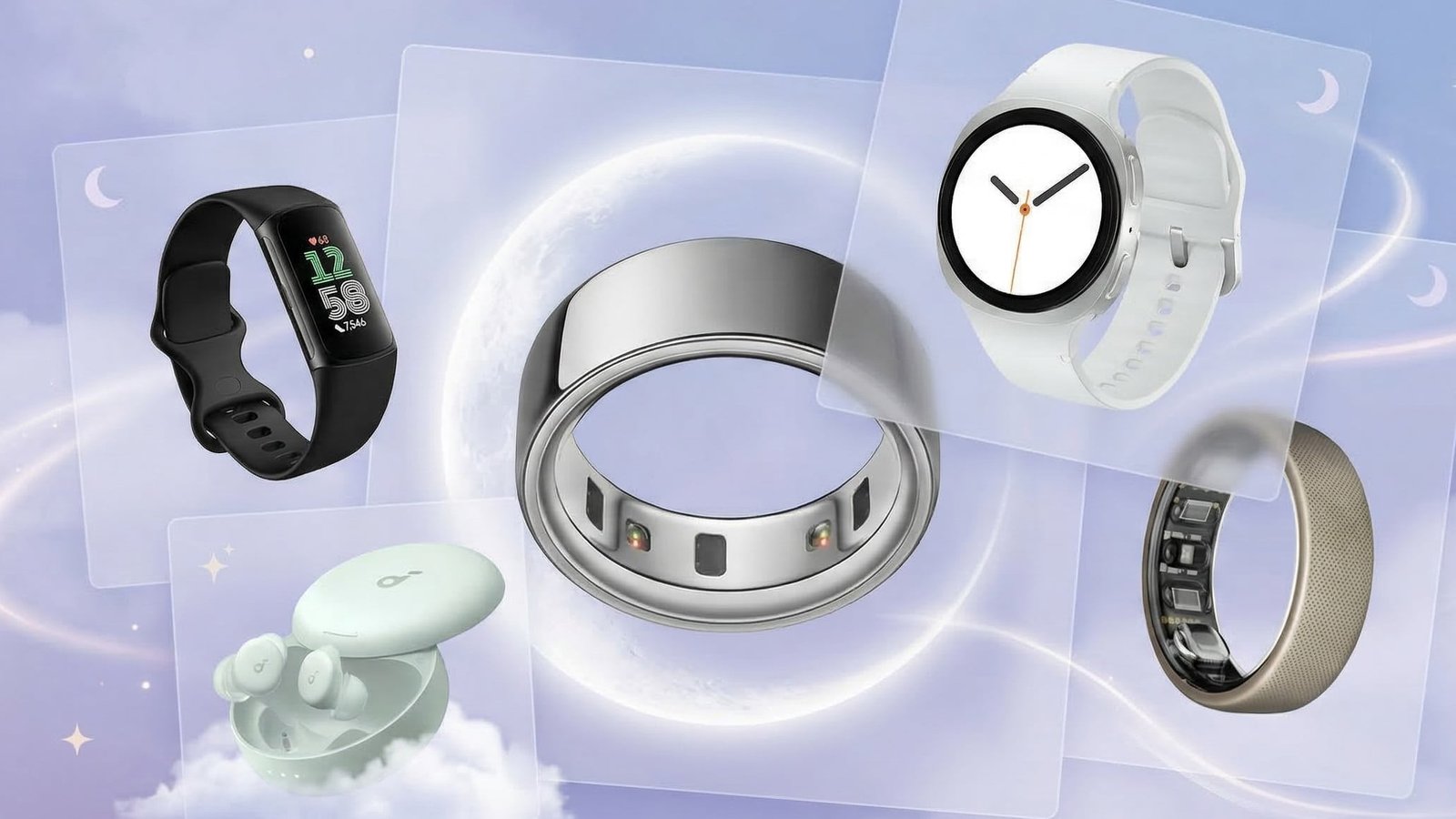
The wearable industry is shifting. Rather than focusing on screens and constant use, new devices are getting smaller, smarter, and designed to work quietly in the background. Gartner’s 2026 forecasts suggest that AI wearables are on the way. A key part of this shift is the debate between smart rings and smartwatches. What was once a minor comparison is now shaping the future of wearables. More people are interested in health insights rather than just digital features.
What Changed: The Emergence of Smart Rings
Smart rings have come a long way from experimental gadgets to powerful health-centric devices. Rings are made with a specific purpose, unlike smartwatches that try to do many things. And that is continuous, passive monitoring.
This is part of the broader development of the AI wearables market, where users are moving away from devices that require interaction to those that work quietly in the background.
The emergence of smart rings:
- Continuous monitoring, no manual input
- Comfortable for 24/7 wear, especially while sleeping
- Minimalist design without screen clutter
- Consistent data collection to a high degree
Meanwhile, biometric wearable technology has advanced significantly in the accuracy of these small devices, putting them in direct competition with larger wearables.
AI Is the Real Game-Changer
AI is driving the biggest change in wearables. Devices aren’t only tracking data anymore, they’re interpreting it. This is what health tracking AI devices are redefining user expectations for. They don’t just show you numbers. They provide you with insights to help you better understand your body.
What AI is making possible:
- Sleep Quality Analysis & Recovery Score
- Physiological Signals for Stress Detection
- Health recommendations that are
- Personalized signs that may indicate a health problem
Smartwatches have similar features, but their multi-purpose design often limits depth. Rings, however, are designed for targeted, constant monitoring.
Smart Ring vs Smartwatches: What Are the Differences
The conversation around smart rings vs smartwatches has shifted from which is better to which fits your lifestyle. Smartwatches are still utility-first. Rings are coming as health-first devices.
Best for: Smartwatches
- Communications and notifications
- Track your fitness as you exercise
- App and integration ecosystem
Best smart rings for:
- Passive health surveillance
- Sleep & recovery tracking
- Use discreetly, unobtrusively.
That distinction is shaking up the market for AI wearables as consumers start using different devices for different purposes, rather than opting for a single all-in-one solution.
Why It Matters (US Market Shift)
This is a more profound behavioral change in how people use technology. Gradually, devices that need attention are replaced by devices that work silently in the background. A main driver of this change is the increasing demand for more granular health insights. Biometric wearable devices, such as the ring, are becoming smaller and more reliable, and health-conscious users are embracing them. Simultaneously, the advent of health-tracking AI devices is steering the industry towards predictive and personalized healthcare instead of simple activity tracking.
What to Do: Actionable Takeaways
As the market changes, consumers and product strategists must adapt.
1. Select According to Your Needs
Want interaction and multitasking? -> smart watch
Passive health insights? → smart ring
2. Assess long-term use
Think about comfort, battery life, and how much you want to interact with the device.
3. Follow Market Trends
Smart rings are premium right now.
More competition can mean lower prices.
Innovation makes fast faster.
Conclusion
The evolution of wearables reflects the broader shift in technology—from visible interfaces to invisible intelligence. The devices are no longer about engaging but rather comprehension. From this perspective, the discussion between smart rings and smartwatches demonstrates the path towards a new technological future. The artificial intelligence wearable technology market is now focused on providing valuable insights without compromising the user experience.
Source: Gatner