






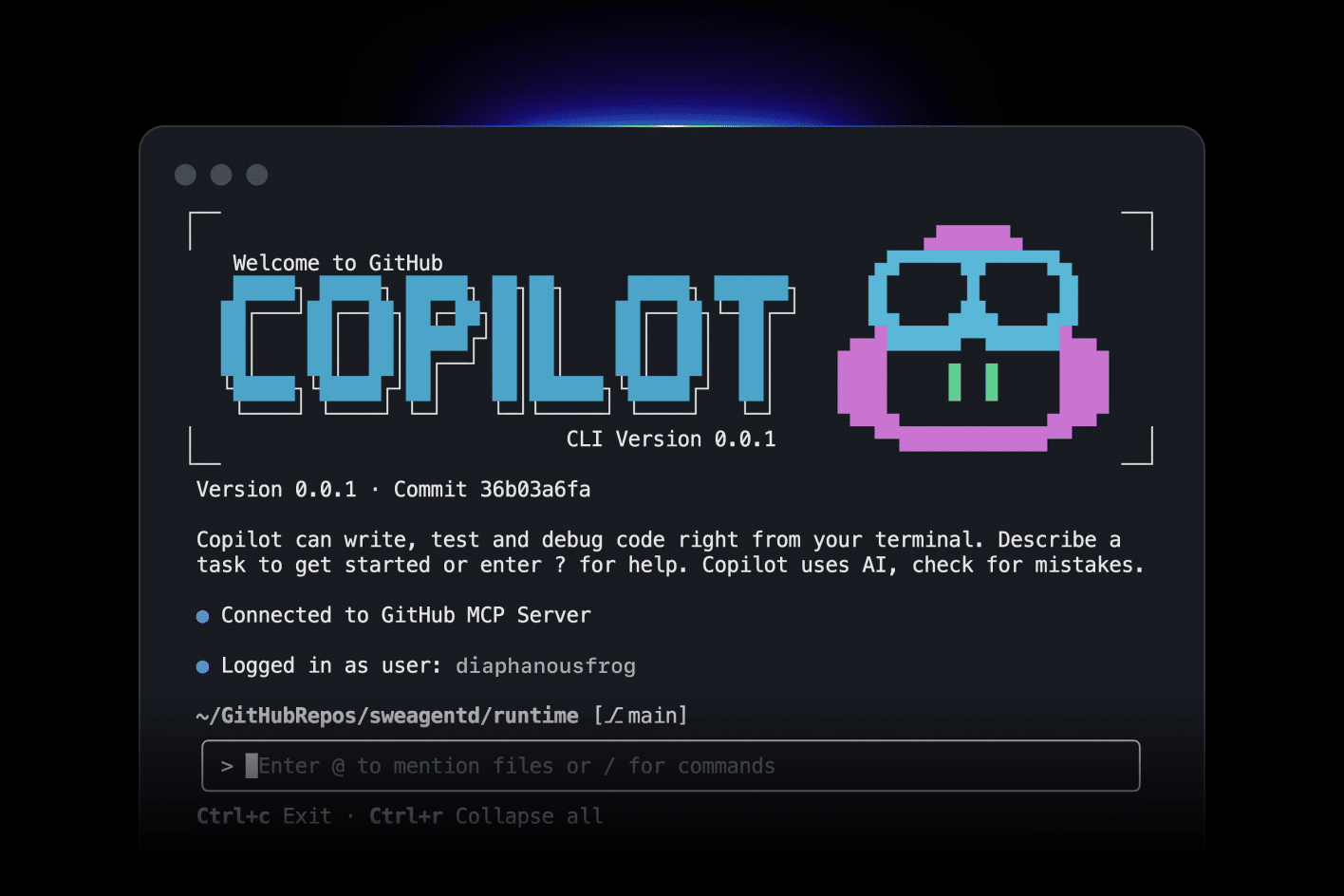
A single misconfigured Copilot setting can put your entire codebase at risk. Because of this, organizations are looking more closely at GitHub Copilot security and AI code privacy. While tools like GitHub Copilot boost productivity, they also create new risks. The real issue is not the tool itself, but how it is set up and managed within a company.
When Assistance Turns Into Exposure
The Concealed Pathways Of Code Leakage
AI coding assistants use context to make suggestions. This context often includes private code, internal APIs, and sensitive logic. Without the right controls, this information can be reused or accidentally exposed.
This is where code leak prevention becomes critical. Organizations must specify clear boundaries on what data can be accessed and returned. Even a small oversight can create long-term security risks.
Good developer security tools help track how suggestions are made and used. They let you spot possible breaches before they become bigger problems.
The Governance Layer Most Teams Ignore
Why Policy Matters More Than Features
Many teams focus on productivity gains while overlooking governance. However, enterprise AI governance is indispensable for safe deployment. It defines how AI tools interact with internal systems and data.
Policies need to cover data retention, access controls, and usage limits. Without these, AI tools operate in a gray area, increasing the likelihood of accidental exposure.
Clear AI compliance policies help ensure your use complies with legal rules. They also hold development teams accountable.
Inside the Control Panel: What Enterprises Must Consider
Breaking Down GitHub Copilot Security, AI Code Privacy
Enterprise controls help lower risk, but they need to be set up carefully. Features like suggestion filters and data extrusion lists must be set up correctly. Default settings usually aren’t enough for sensitive situations.
This is why Copilot enterprise controls are so important. They let companies control how data is used and shared. Setting them up properly keeps sensitive code inside secure environments.
Adding developer security tools also improves monitoring. These tools give instant insights into how AI-generated code works with your current systems.
Compliance Is Not Optional Anymore
The rising pressure of governmental supervision
Regulators are watching AI use in software more closely. This means AI compliance policies are now a must, not merely a nice-to-have. Companies need to show their AI tools preserve data integrity.
Compliance rules often need detailed audit trails. These records show how AI systems access and use data. Without them, companies can run into legal trouble and damage to their reputation.
Good enterprise AI governance helps meet compliance rules every time. It also makes audits easier by keeping documentation organized.
The Real Cost of a Leak
Past Immediate Damage
A code leak is more than simply a technical problem. It can reveal intellectual property, hurt your competitive edge, and break trust. Fixing it often means big audits and system changes.
That is, this is why code leak prevention must be proactive. Waiting until a breach occurs is far more expensive. Preventive measures reduce both financial and operational risk.
Using Copilot Enterprise Controls helps lower this risk. It makes sure AI tools stay within set limits.
Managing Productivity with Protection
Finding the Right Equilibrium
AI tools can accelerate development, but if you don’t manage them, they can create security gaps. The key is to regulate speed with safety.
Companies need to match GitHub, Copilot security, and AI code privacy with their development processes. This way, they get productivity benefits without losing safety.
Training developers is just as important. They should know how AI tools use data and where risks may arise.
Practical Steps to Secure AI Coding Workflows
Turning Strategy Into Action
Begin by checking your current settings. Look for holes in access control and data administration. This gives you a starting point to improve them.
Next, apply layers of control. Use both developer security tools and policy enforcement. This way, you have several lines of defense.
Finally, keep examining and revising your policies. AI tools change fast, so your security needs to keep up. Regular updates help keep you protected.
The Road Ahead: Smarter Controls, Safer Code
Rethinking Trust in AI-Assisted Development
As AI tools become a bigger part of daily work, trust is critical. Companies need to make sure these tools work openly and safely. This means making changes to both technology and how teams work.
Future updates to Copilot Enterprise Controls will likely focus on closer integration with security systems. This will give teams more detailed control over how data is used.
At the same time, enterprise AI governance will continue to evolve. It will be important in deciding how AI tools are used and managed.
Final Word: Secure First, Scale Second
AI-assisted development offers real benefits but also introduces new risks. Companies should put security first from the beginning. Good setup, strong governance, and ongoing monitoring are all essential.
If you ignore these issues, it can get expensive. Dealing with them early ensures AI tools stay useful rather than becoming a problem.








