






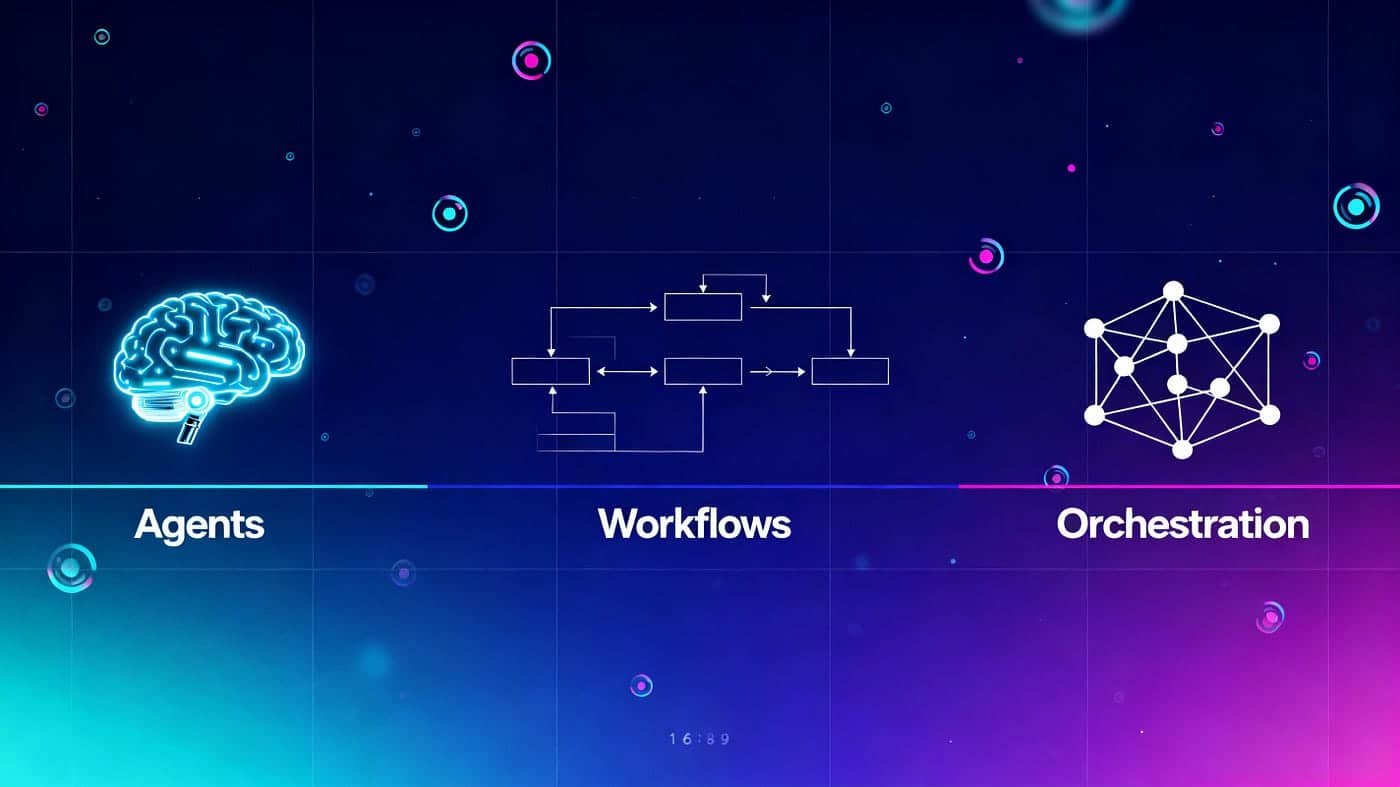
Continuous AI execution can create value, but it can also lead to higher costs if not managed well. This challenge is central to the move toward persistent AI agents and AWS AI workflows, where systems work beyond single requests. Rather than just reacting to inputs, these agents keep track of context, learn from every exchange, and take action over time. Services such as Amazon Web Services are accelerating this change by enabling long-running AI processes that transform how work is done.
From One Of Tasks To Living Systems
Why stateless models are losing relevance
Traditional AI systems operate in a stateless manner. They process each request separately and do not remember earlier interactions. This makes it hard for them to deal with complex or changing tasks.
Persistent agents change that model entirely. They store context, track goals, and adjust actions over time. This shift enables autonomous workflows, cloud environments that function more like continuous services than isolated tools.
These systems reduce repetitive tasks. They also let workflows change and improve as new data and results come in.
The Architecture Behind Persistence
How memory and orchestration define execution
Persistent agents use different types of memory. They have short-term context, long-term storage, and the ability to connect to external data. This helps them keep continuity through interactions.
AI orchestration systems are essentially here. They help coordinate different parts and ensure agents are in a steady, efficient way. Without orchestration, persistent systems can become disorganized.
The result is more reliable cloud AI execution. Tasks are not just completed; they are also overseen across the entire lifecycle.
Rethinking Workflow Design
When persistent AI agents, AI AWS, and AI workflows reshape processes
Organizations need to redesign workflows to make the most of persistence. Instead of following a straight path, processes become flexible and repeatable. Agents watch progress, change strategies, and keep working without people stepping in.
This change improves enterprise AI automation. Workflows can address problems, learn from what happens, and improve over time. It also means less need for people to watch over everything.
However, this also makes things more complex. Systems need careful design to prevent mistakes and inefficiency.
The Cost Dynamics Of Continuous Execution
Efficiency gains versus runaway expenses
Persistent systems can make work more efficient. They cut down on manual work and respond faster. But running all the time can also use more resources.
This makes agent lifecycle management critical. Organizations need to define when agents start, pause, or terminate. Without these controls, costs can escalate quickly.
Good lifecycle strategies make sure agents run only when needed. This helps change performance and costs.
Coordination at Scale
Why orchestration determines success
As systems get bigger, coordination gets harder. Many agents need to work together without generating conflicts or repeating tasks. This means strong AI orchestration systems are needed.
These systems manage what depends on what, set task precedence, and deal with failures. They keep workflows stable even during high activity. Without them, persistent agents can be risky to grow.
At the same time, orchestration supports autonomous workflows and cloud environments. It enables smooth interaction between agents and external services.
Execution That Never Stops
The promise and pressure of persistent AI agents, AWS AI workflows
Continuous execution lets organizations respond right away. Agents can watch systems, spot problems, and act fast. This is especially useful in fast-changing environments.
But always-on systems need constant watching. Monitoring tools have to track how things are working, how much is being used, and what results come out. This keeps agents in line with organizational aims.
Strong cloud AI execution frameworks help maintain this poise. They provide visibility and control over ongoing operations.
Automation Meets Accountability
Aligning intelligence with governance
Persistent agents bring new challenges for governance. They make decisions all the time, often without people involved. This means explicit rules and oversight are needed.
Enterprise AI automation must have mechanisms to ensure accountability. Organizations need to track decisions, verify actions, and ensure rules are followed. Without this, risks can build up unnoticed.
Lifecycle controls also have a role here. Proper agent lifecycle management ensures agents operate within defined boundaries.
Designing For Long-Term Reliability
Building systems that evolve without breaking.
Persistent systems need to be tough. They should handle changes without breaking. This takes careful design and regular upkeep.
Developers need to plan for rare and unexpected situations. Systems should have safeguards to stop failures from spreading. Periodic updates and monitoring are a must.
By combining orchestration, lifecycle management, and execution controls, organizations can build stable systems. These systems can change over time but still stay reliable.
Final Perspective: Continuous Intelligence Controlled Outcomes
Moving to persistent AI agents is a big change in how workflows are built and run. It takes organizations from reacting to problems to using continuous intelligence. This opens up new chances for effectiveness and invention.
But these benefits also bring risks. Without the right controls, persistent systems can get more expensive and complicated. Organizations need to balance automation with oversight to do well.
Considered design, strong governance, and good lifecycle management are essential. With these, persistent AI agents can keep generating value without causing problems.
Source: AWS Blogs








