Professors Sue USCIS Over Green Card Policies That Make the U.S. the Harder Path
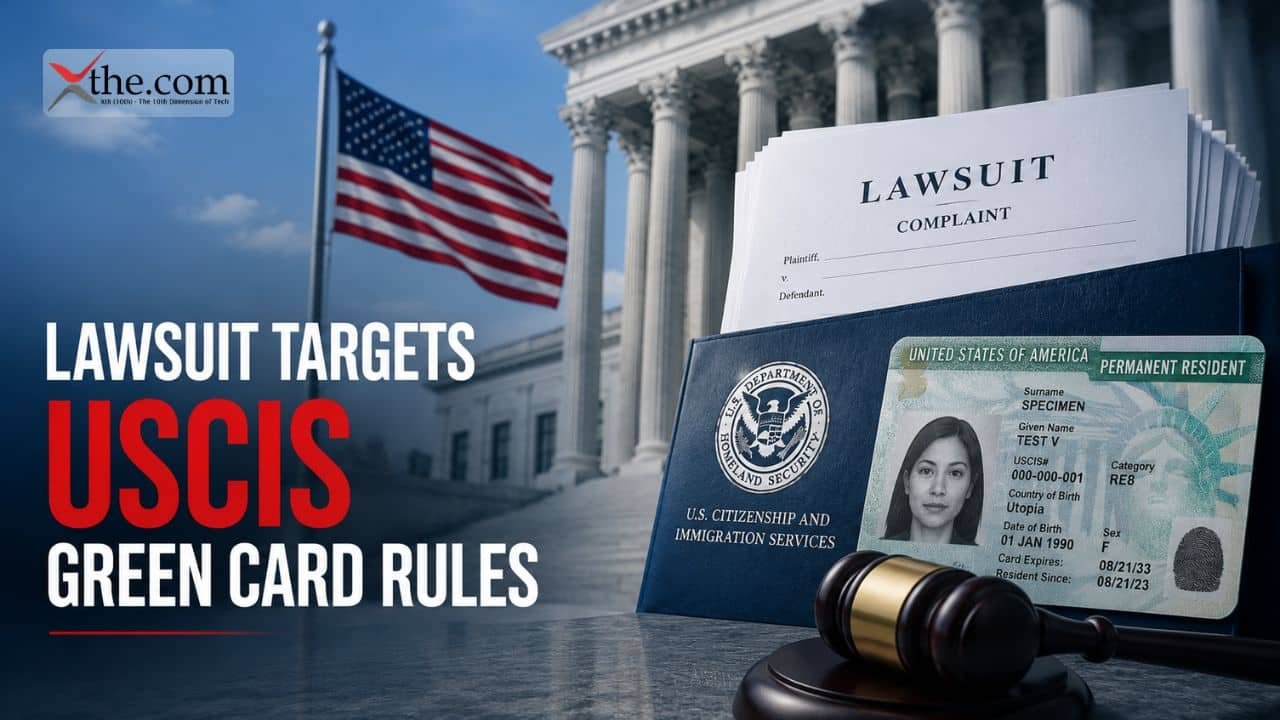
A coalition led by the American Association of University Professors sued the Department of Homeland Security and USCIS on October 5, filing suit in the U.S. District Court for the District of Massachusetts over two agency policies that together make it riskier and more discretionary for people to seek green cards from inside the United States. The case, American Association of University Professors et al. v. U.S. Department of Homeland Security et al., No. 1:26-cv-14527, asks the court to pause both policies while the litigation proceeds and to strike them permanently.
The policies at issue do not change who is legally eligible for a green card. They change how the agency exercises judgment when an eligible person applies, and for the hundreds of thousands of workers, students and family members with pending adjustment of status applications at any given time, that administrative discretion can determine whether they stay in the country they have built their lives in or have to start over abroad.
The Two Policies Under Challenge
The first policy, in effect since May 2026, treats the choice to file for adjustment of status inside the United States rather than processing through a U.S. consulate abroad as a negative discretionary consideration. In practical terms, it means the decision to apply from within the country, the option most applicants with stable jobs and families prefer, can now count against them in the officer’s discretionary analysis, alongside factors like criminal history or prior immigration violations.
The second policy, in effect since August 2026, allows USCIS officers to deny some applications without first issuing a request for evidence, the notice that has historically given applicants a chance to correct or supplement their filings. Eliminating the RFE step for certain denials converts fixable problems into final refusals, and the plaintiffs argue that both policies applied retroactively, reaching applications that were already pending when the guidance was issued.
Who Filed and What They Want
The American Association of University Professors joined other organizations in bringing the case, a plaintiff profile that reflects the policies’ impact on the academic and professional workforce, where internationally recruited faculty and researchers routinely hold pending green card applications for years while continuing to teach and conduct research. The plaintiffs sought both temporary relief to stop the policies during litigation and permanent relief to vacate them.
Fragomen’s analysis of the suit notes that at the time of publication, both policies remained in effect and the court had not paused them, which means applicants continue to face the negative-discretion framework and the no-RFE denial posture while the case moves through its early stages. Court filings represent the plaintiffs’ allegations rather than judicial findings, and the government will have the opportunity to respond.
What Adjustment of Status Means and Why Location Matters
Adjustment of status is the process by which a person already in the United States applies for a green card without leaving. The alternative, consular processing, requires the applicant to return to their home country for an interview at a U.S. consulate, a step that carries its own risks, including Bars to reentry for people with prior immigration issues and the practical upheaval of pausing a life in America to complete paperwork abroad.
For applicants with aging parents, school-age children, ongoing medical treatment or employment commitments, consular processing is not merely inconvenient. It is a genuine hazard, and the option to adjust from inside the country has long been a stability feature of the system. Treating the exercise of that option as evidence against the applicant inverts its purpose, and that inversion is the core of the plaintiffs’ challenge.
The RFE Question
The request for evidence is one of the most common instruments in immigration practice. When an application is missing documentation or contains an apparent inconsistency, the officer issues an RFE, the applicant responds, and the file is adjudicated on the corrected record. Denials without an RFE opportunity, which the August policy allows in some cases, remove that correction step.
Immigration attorneys have argued that the RFE process exists precisely because initial filings are rarely perfect, and that allowing denials on technical deficiencies without notice disproportionately harms unrepresented applicants and people filing without specialized counsel. The policy’s defenders counter that agencies must have discretion to deny claims that fail on their face, and that repeated evidence requests delay adjudications for everyone.
Why the Timing Matters for Pending Applicants
Both policies apply to new and already-pending applications, according to Fragomen’s account of the challenge, which means the plaintiffs’ retroactivity argument carries immediate stakes. A person who filed an adjustment application in good faith under the rules as they existed last spring is now being adjudicated under guidance issued after their filing, and the negative-discretion framework applies to their case regardless of when it was submitted.
The case was filed October 5, and immigration policy litigation in 2026 has moved quickly in both directions, with courts pausing and reinstating various USCIS positions on compressed schedules. For applicants with pending filings, the practical guidance from practitioners remains unchanged while the policies stand: file complete applications, respond promptly to any notices, and consult counsel about how the discretionary framework may affect individual circumstances.
What Comes Next
The next procedural milestones will be the plaintiffs’ motion for preliminary relief and the government’s response, filings that will test whether the court sees the plaintiffs as likely to succeed on the merits and whether the balance of harms favors pausing the policies now. Because the case challenges how USCIS exercises statutory discretion rather than a bright-line eligibility rule, the legal questions will turn on the limits of agency authority and the adequacy of the guidance’s reasoning.
For the university faculty and other professionals at the center of the case, the litigation is about whether the United States will treat the decision to apply from within its borders as a neutral procedural choice or as a mark against the applicant. That question is now in front of a federal court in Massachusetts, and until it is answered, both policies remain in force.
Frequently Asked Questions
What USCIS policies does the lawsuit challenge?
The suit targets two policies: one in effect since May 2026 that treats choosing adjustment of status over consular processing as a negative discretionary factor, and another in effect since August 2026 that allows officers to deny some applications without first issuing a request for evidence.
Who filed the lawsuit against USCIS?
The American Association of University Professors and other organizations filed in the U.S. District Court for the District of Massachusetts on October 5, 2026, case No. 1:26-cv-14527, against DHS and USCIS.
Are the USCIS policies still in effect?
Yes. As of the most recent legal analyses, both policies remained in effect and the court had not paused them, meaning the case was proceeding while applicants continued to be adjudicated under the challenged guidance.
What is adjustment of status?
Adjustment of status is the process for applying for a green card from inside the United States, as an alternative to consular processing, which requires leaving the country for an interview at a U.S. consulate abroad.