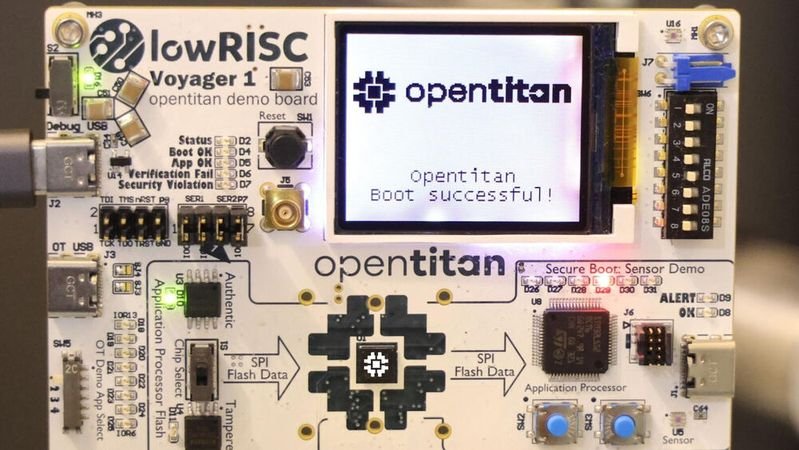
SANTA CLARA, Calif. — New patent filings connected to Intel are drawing attention across the cloud industry after the company secured patents related to “Dynamic Root of Trust” verification during active AI inference operations.
The development signals a broader shift toward hardware-level security systems designed to protect AI workloads in shared cloud environments.
The adoption of sensitive AI systems by enterprises requires organizations to implement Hardware Root of Trust frameworks together with advanced AI Inference Security controls.
Why Hardware-Level Trust Matters in AI Systems
Traditional cybersecurity protections typically focus on software-based security measures, such as authentication and encryption, as well as network monitoring systems.
AI systems create new security threats because their models use extremely confidential business, medical, financial, and governmental information during real-time operations.
The current trend shows businesses requiring Hardware Root of Trust systems that can authenticate platform security by directly assessing silicon and firmware components.
The objective requires AI workloads to function exclusively in environments that security experts have verified are free of breaches.
AI Inference Security Becomes a Strategic Priority
The rapid expansion of enterprise AI usage is creating AI Inference Security as a critical new field that organizations must protect within their cloud cybersecurity systems.
The process of running AI models for inference requires continuous operation and handles sensitive data within cloud systems.
Attackers who gain access to inference systems can use their position to create fake outputs while stealing model data and collecting protected training materials.
The need to better protect their assets drives companies to invest in advanced security systems that rely on hardware-based protection.
Dynamic Root of Trust Expands Security Beyond Boot Processes
Traditional root-of-trust systems usually perform hardware and firmware integrity checks during system booting.
The new patented method claims to extend system verification beyond startup by conducting ongoing system checks during active AI processing.
The development of Hardware Root of Trust architecture design changes will enhance security protection for cloud environments that experience continuous workload transitions between different compute resources.
The need for runtime validation has arisen due to the growing security risks posed by real-time attacks on cloud-based AI systems.
Intel SGX and Confidential Workload Isolation
The development of confidential computing systems has received major support from Intel SGX and similar technologies, which create secure execution environments that run within processor chips.
The enclaves maintain the security of confidential information and software applications, protecting them from the dangers of a complete operating system breach.
The development of AI Inference Security features indicates that upcoming systems will combine runtime attestation methods with secure execution environments to deliver enhanced protection for artificial intelligence systems.
This security enhancement will increase trustworthiness for businesses that implement artificial intelligence systems across their shared resource computing environments.
AMD SEV and Competitive Cloud Security Models
The market for confidential computing solutions extends beyond its current offerings to include AMD SEV systems, which secure virtual machine memory through encryption to protect their workloads from unauthorized access.
The battle between Intel SGX and AMD SEV demonstrates that hardware-based security isolation has become essential for developing secure cloud environments.
As more businesses adopt AI technology, providers are developing more advanced infrastructure solutions to meet their growing needs for secure, confidential computing.
The competition will grow stronger because companies need to meet the security needs of enterprise AI systems.
Confidential Computing Gains Momentum
Confidential Computing has developed as a result of changes in cloud trust architecture.
The system needs to protect data during processing in memory and compute environments, as perimeter security measures alone are not sufficient.
AI workloads depend on this feature because inference systems need to process both proprietary models and sensitive business data.
The integration of Hardware Root of Trust mechanisms further strengthens these protections.
AI Model Protection Becomes Essential
The rising need for AI Model Protection stems from the growing value of proprietary AI systems, which companies own as confidential assets.
Enterprise AI models store three types of protected information: confidential business logic, sensitive training data patterns, and highly valuable intellectual property.
Attackers targeting inference systems may attempt to steal models, manipulate outputs, or infer sensitive information from runtime behavior.
The demand for AI Inference Security technologies dedicated to model protection has increased because of this requirement.
Multi-Tenant Cloud Risks Continue Expanding
One of the main challenges cloud providers face is protecting artificial intelligence systems that operate across multiple tenants.
Cloud platforms use shared hardware to run multiple organizational workloads because this approach provides better operational efficiency and system capacity growth.
The current system requires organizations to establish secure boundaries between applications and to develop mechanisms to monitor their operational status throughout execution.
Confidential Computing will depend on advanced Hardware Root of Trust capabilities that must function continuously during inference execution for its upcoming development.
The Future of Confidential AI in Shared Infrastructure
The broader future of “Confidential AI” in multi-tenant cloud environments is becoming one of the most important strategic questions in enterprise cloud security.
The organizations need to implement security measures to ensure that their artificial intelligence operations remain separate from both infrastructure personnel and neighboring users, as well as from all outside threats.
The organization needs to use runtime attestation systems with secure enclaves to fulfill its security requirements.
The upcoming changes will establish new standards for the design and validation of cloud-based artificial intelligence systems.
Intel’s Role in Hardware Security Evolution
Intel’s most recent patents demonstrate that chip manufacturers now integrate security features directly into their processor designs.
The company needs to establish runtime trust verification because the industry now recognizes that AI systems require greater security than standard business operations.
The development of Hardware Root of Trust technologies will emerge as a crucial element shaping the future of cloud services.
Cybersecurity Moves Closer to Silicon
The development of hardware-based AI security solutions shows that cybersecurity now protects physical infrastructure systems.
Future systems will establish continuous trust verification through processor, firmware, and memory protection, which goes beyond software security measures.
The upcoming changes will increase organizational trust in their secure AI deployment methods that handle confidential information.
Conclusion: Hardware Security Redefines Cloud Trust
Intel’s new dynamic trust verification patent system demonstrates that enterprise cloud security protection has undergone a significant transformation.
Next-generation cloud architecture now requires hardware-level validation systems because organizations focus on Hardware Root of Trust, stronger AI Inference Security, and advanced AI Model Protection.
The rising need for secure AI execution environments that protect sensitive workloads in shared infrastructure systems has led to increased adoption of Intel SGX, AMD SEV, and Confidential Computing frameworks.
Multi-tenant cloud environments for Confidential AI will establish hardware-backed trust systems as essential requirements for enterprises to implement AI solutions at scale.
Source: Intel Newsroom