




Mountain View, California
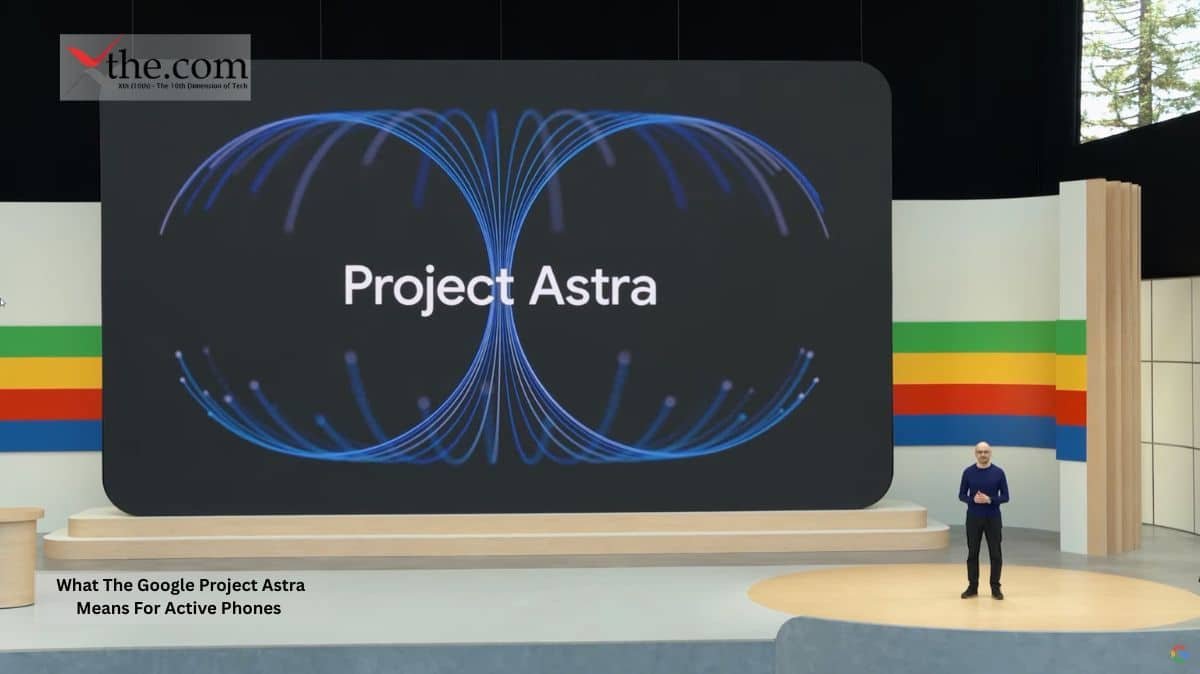
A driver in Chicago points their device at a blinking dashboard light instead of searching forums or waiting for a mechanic. The phone instantly replies, “Cylinder misfire likely detected. Avoid heavy acceleration.” This kind of interaction once seemed like science fiction, but now it is part of the latest Project Astra tests. Google is quietly bringing advanced visual AI to modern phone operating systems.
For everyday users, this shift changes the role of the smart device in their pocket. Phones no longer just retrieve information. They interpret the world around them.
Why Project Astra Changes Mobile Behavior
Google built Project Astra to be always aware of its surroundings. Unlike older voice assistants that waited for commands, this system combines voice input, memory, and mobile camera processing to understand scenes in real time. A user points their camera at a restaurant menu in Tokyo, and the assistant translates the dishes right away. If another person scans a leaking pipe under a sink, the assistant gives step-by-step help before they call a plumber.
Speed is important because people now expect answers without having to type. The old way of opening a browser, searching for keywords, and comparing links feels slow when a real-time virtual assistant can analyze live video.
This change creates a new relationship between people and their smart devices. The phone stops behaving like a passive screen and starts acting more like an active observer.
The Rise Of The Real-Time Visual Intelligence
Recent Android update tests show that Google is investing a lot in live visual analysis by improving mobile camera processing. Earlier, assistants used static photos, but Project Astra can handle continuous video streams and remember the conversation.
Picture a parent putting together a crib while holding a crying baby. Instead of reading the instructions, they point their phone at the parts. The assistant finds missing screws, points out mistakes, and explains the next step out loud.
For anyone curious about how to use real-time visual AI on their devices, the process is simple. Open the assistant, allow camera access, and point the camera at an object, sign, appliance, or anything else. The assistant looks at what you show it and responds naturally.
The technology behind this system uses faster on-device processing built into the phone’s operating system. This is important because if every photo frame had to go to faraway servers, responses would be much slower. Google combines cloud computing with local processing so the smart device can react almost instantly.
How It Disrupts Traditional Search
Google became successful by focusing on typed search queries. Project Astra could mean people use traditional search much less often.
A shopper in a grocery store does not need to type “best protein for runners” anymore. They can scan the shelves using a real-time visual assistant. The system visually compares products, references nutrition data, and responds naturally.
This new way of searching challenges the old search engine model that relies on blue links and ads. Visual AI skips the results page completely.
The effects go beyond just advertising revenue. Websites that depend on search traffic might get less attention if AI assistants give answers straight from live analysis. Publishers, retailers, and repair shops could see fewer visitors because the user tool delivers answers before even opening a web page.
For years, search engines taught people to use keywords. Project Astra encourages people to focus on experiences rather than on the products.
Privacy Concerns Will Define Adoption
People already worry about their microphones listening in. Having cameras always on brings even bigger concerns.
A smart device running persistent mobile camera processing may observe homes, workspaces, family members, license plates, computer screens, and financial documents. Even if Google says most analysis happens on the device, it is reasonable for people to be skeptical.
Privacy experts warn that visual assistants can build detailed maps of our behavior. A phone that is always identifying its surroundings could guess things like income, shopping habits, political views, or health issues just from what it sees.
The main issue is trust.
Most people will only accept being watched if the convenience is too good to pass up.
We already see this trade-off in other areas. Millions of people let fitness watches track their sleep and heart rate because the benefits are worth it. Project Astra is trying to make the same case with visual intelligence.
Google is also under pressure from regulators. European privacy agencies are taking a closer look at AI systems that continuously collect data. In the future, phone operating systems might need to display clear recording indicators, require stricter permissions, or offer offline-only modes.
The Next Stage of the Smart Device
The smartphone market has not changed much in recent years. Bigger screens and faster chips no longer excite buyers. Visual AI changes things by offering new ways to use phones, not just better specs.
People will not buy new phones just for better cameras. They will want devices that can understand what is happening around them right away.
This change makes Project Astra more than just another assistant update. It is a new way for people to interact with information. The most successful systems will balance smart features with caution, convenience with openness, and automation with trust.
The next generation of smart devices might spend less time waiting on us to give commands and more time quietly helping us understand the world around us.
Source: Google Blog