






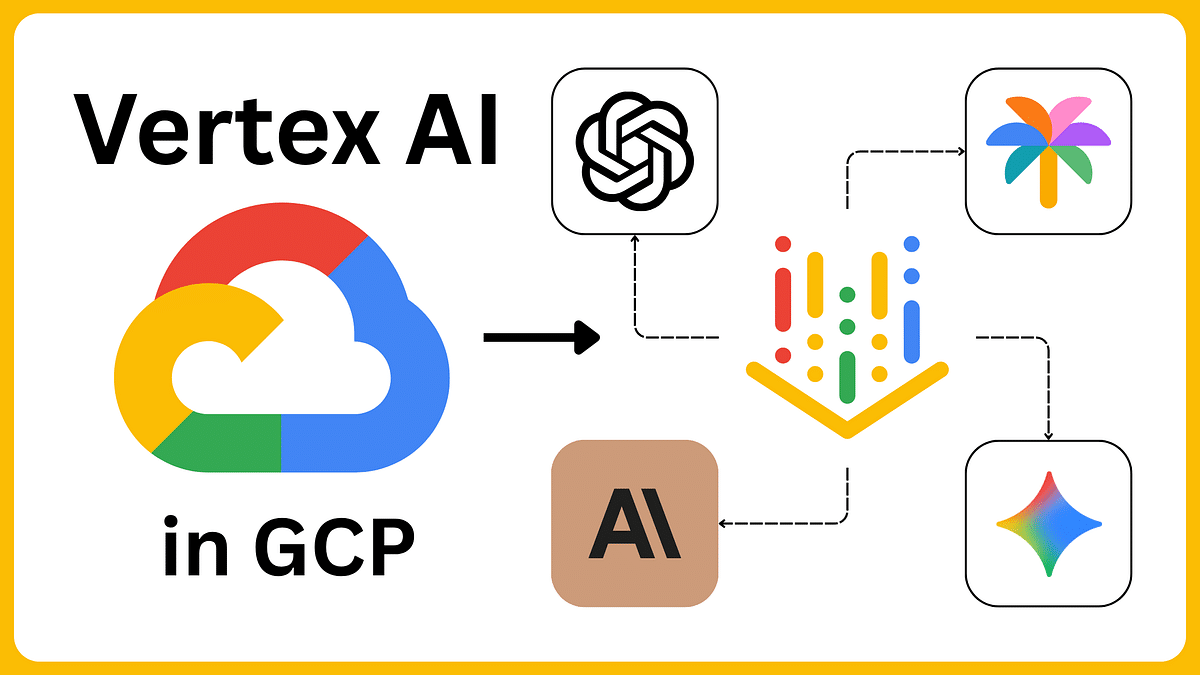
Locking the wrong AI platform can cost millions in migration later. That concern is driving deeper scrutiny of Vertex AI vs AWS as enterprises rethink long-term AI investments. The April runtime update has sharpened the contrast between Google Cloud and Amazon Web Services in how they support scalable agent ecosystems. Decisions are no longer about model silos but about orchestration, governance, and lifecycle control.
Where the April Runtime Update Quietly Changed the Game
The April runtime update strengthened the link between model execution and orchestration. Google improved Vertex AI’s execution pipelines to make runtime behavior more predictable. AWS responded by improving agent coordination in Amazon Bedrock.
These updates possess a direct impact on agent orchestration tools. Developers now benefit from more reliable state management and better handling of delays. This is important when several agents need to work together simultaneously.
The update also changed how dependencies are managed. Both platforms are moving from loosely connected services to more tightly integrated systems. The shift increases the risk of being locked into a single platform if you do not plan ahead.
The Architecture Divide: Orchestration Versus Flexibility
Why Vertex AI vs AWS Now Centers On Control Planes
One major difference is in how each platform designs its control systems. Google focuses on centralized orchestration with built-in pipelines. AWS, on the other hand, gives teams more flexibility to build their own setups by combining different services.
This variation impacts enterprise AI platforms. Organizations seeking standardization may lean toward Google’s integrated model. Individuals prioritizing customization may find AWS more adaptable.
However, integration has its pros and cons. Google’s method makes setup easier, but it can limit how much you can change the system’s design. AWS takes more work to set up, but lets you fine-tune your setup more to your needs.
Multi-agent Systems Are No Longer Experimental
The growth of multi-agent systems in the cloud has raised the bar. Companies are moving beyond testing single agents and are now running coordinated systems that control complex tasks.
Google’s updates aim for smooth, synchronized work among agents. AWS focuses on event-driven coordination with tools such as Lambda and Step Functions. Both methods work, but they show different ways of thinking.
In large deployments, orchestration consistency becomes critical. Failures in one agent may cascade across the system. This is where agent orchestration tools become essential rather than optional.
Infrastructure Strategy Is Now a Boardroom Concern
The Hidden Stakes in AI Infrastructure Strategy USA
Choosing an AI platform is now closely linked to national rules and regulations. Aspects such as where data is stored, adherence to compliance rules, and transparency in operations all play a role in the decision.
For companies operating in the United States, AI infrastructure strategy USA discussions frequently favor providers with strong governance tooling. Google emphasizes unified policy enforcement, while AWS highlights granular access controls.
These differences go beyond mere compliance with rules. They also affect how quickly companies can scale their AI projects without making operations overly complicated.
Developer Experience Versus Operational Depth
An additional critical factor in the AWS vs Google AI comparison is the developer workflow. Google prioritizes simplicity with preconfigured pipelines and UI-driven controls. AWS leans toward developer-centric tooling with deeper API-level control.
This affects how quickly teams can get started. New teams often find Google easier to use at first. More experienced teams might choose AWS because it offers more flexibility and can be extended further.
The apparent runtime update has made both platforms easier to use. However, the main difference remains: Google offers a guided experience, while AWS lets you customize your setup.
Cost Structures and Extended Implications
Cost is not only about compute usage. It includes engineering time, maintenance, and migration risk. The wrong decision in Vertex AI vs AWS can lead to extensive rewrites later.
Google’s all-in-one system can lower short-term costs by making deployment easier. AWS can help you better manage costs over time by enabling you to closely control resources. The best choice depends on how mature your organization is.
People often overlook how complex migration can be. Moving multi-agent systems from one platform to another means you have to redo the orchestration logic, not just move the models.
Scaling Beyond Pilots Into Production Reality
When Enterprise AI Platforms Meet Operational Friction
Many projects slow down when shifting from testing to full production. At this stage, how the platform has been designed becomes very important. Google’s unified system can speed up deployment, but it might restrict flexibility as you scale up.
AWS lets you scale by using separate services, but putting everything together can take extra time. The decision usually comes down to whether you value speed or flexibility more.
When deploying at scale, monitoring and debugging are essential. Both platforms are hard to use, making it easier to observe what’s happening, but AWS still gives you more ways to customize these tools.
The Future of Cloud AI is Orchestration First
The evolution of multi-agent systems and cloud environments signals a shift. AI platforms are no longer judged solely by model effectiveness. Orchestration, reliability, and lifecycle management now define success.
This trend shows why it’s important to pick the right platform from the start. The April runtime update shows that platforms can change quickly, so make sure your choice aligns with your long-term goals.
In the ongoing AWS vs Google AI comparison, the real question is not which platform is better. It aligns with your organization’s architecture, skills, and future direction.
Final Thoughts: Choosing With Foresight, Not Urgency
Choosing a platform is now more than simply a technical choice. It’s a strategic decision that affects how you build, scale, and maintain AI systems. The April runtime update has made the differences between Google and AWS even clearer.
Organizations need to think about future challenges, not just what they need right now. A platform that fits today could become limiting later. Careful planning, thorough testing, and thinking long-term are all important before making a final choice.
Source: AI & Machine Learning








