






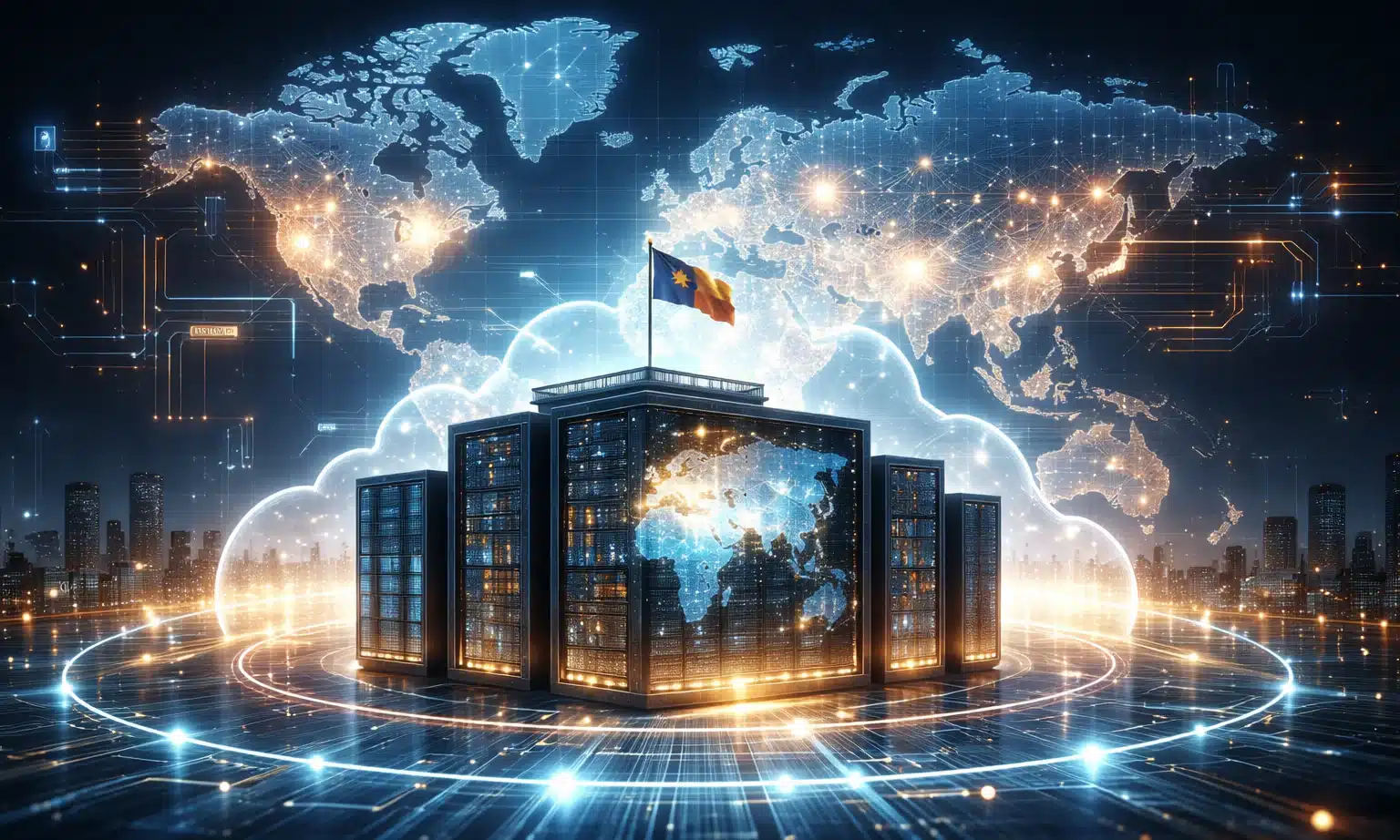
The Department of Defense is overhauling its digital defenses to keep domestic intelligence separate from international network risks. With a new system, U.S. AI data no longer travels through global networks, so sensitive algorithms stay within secure borders. This step toward a sovereign AI cloud in the USA is part of a broader shift in national security toward stronger data protection. By creating these local clusters, the Pentagon aims to maintain its lead in computing power and reduce the risk of cyber or physical attacks from rival nations.
Hardening The Foundation Of Defense AI Infra
The transition to a dedicated defense AI infrastructure represents a departure from the multi-tenant public cloud models of the previous decade. These new zones are physically and topologically air-gapped from the standard internet backbone and use dedicated fiber paths. This architecture prevents the metadata leakage that often occurs when military traffic shares bandwidth with commercial entities. It ensures that the training of strategic models remains an entirely domestic effort, shielded from the prying eyes of global signals intelligence.
These special zones are also designed to handle the high power and cooling requirements of advanced GPU clusters. Regular data centers often can’t meet the high energy demands required to train the latest models. By creating custom facilities, the military can ensure the environment remains reliable and operational at all times. The physical stability is just as important as software security for critical operations.
Deploying Secure Cloud Zones For Tactical Advantage
A key part of this growth is establishing secure cloud zones that serve as regional operational centers. These zones let field commanders get real-time intelligence quickly without having to send data back to a central location. By processing the information locally, decisions can be made faster, which is crucial in today’s fast-paced electronic warfare.
These secure cloud zones also make it easier to test and improve autonomous systems. Engineers can run billions of simulations in a safe environment that closely matches real combat situations. Since the data stays local, there’s no risk of sensitive information being intercepted. This setup lets teams update and fix software quickly for field use.
Modernizing Military AI Systems
Bringing advanced military AI systems into this secure setup helps different branches of the military work more closely together. For example, data for Air Force maintenance or Navy navigation stays within the US. This shared data environment removes barriers that previously made joint operations more difficult. With one trusted source of information, all teams can follow the same strategy.
Running these military AI systems requires a new kind of expert: cyber logistics specialists who know both the physical and digital sides of warfare. The Pentagon is hiring more people for these jobs to ensure the new cloud zones are always managed by skilled staff. These teams keep a close watch on the equipment and AI models, ensuring everything remains secure even if communications go down.
The Global Implications Of Cloud Fragmentation
While these moves enhance national security, they also accelerate global cloud fragmentation. As the US builds its sovereign AI Cloud, USA, other nations are likely to follow suit, creating a splintered network of localized intelligence hubs. This fragmentation makes international cooperation on AI safety and ethics more difficult to coordinate. It creates an era where digital sovereignty is prioritized over the efficiency of a unified global network.
The shift also creates big opportunities for US tech companies, who now need to build the most secure systems ever. They have to keep innovating to stay ahead of both technical problems and foreign threats. Often, what’s learned in defense ends up helping private companies too, making their systems stronger. In the end, this leads to a US tech industry that’s ready for the challenges ahead.
Strategic Resilience and the Path Forward
Growing the US sovereign AI cloud directly addresses the weaknesses of the early digital era. In today’s fast-paced conflicts, controlling data is as important as controlling land. By securing its AI systems, the US is protecting its tech advantage with strong physical and digital defenses. This approach will shape the balance of power in the next decade.
Defending The Digital Frontier
Looking ahead to 2027, the main goal is to keep improving these secure zones. The aim is to make intelligence always available and impossible to hack. By sticking to strong principles, the US can use AI’s power while still protecting security and privacy. The digital boundaries are set, and the future of defense is clearly focused on sovereignty.
Source: The Department of War








