




Apple has secured a major legal victory in the United States, allowing it to continue selling the Apple Watch after months of uncertainty over a potential import ban. The decision, linked to proceedings at the US International Trade Commission, removes a significant threat to one of Apple’s most important product lines and stabilises its position in the wearable technology market. 

The ruling comes at a time when intellectual property disputes are increasingly influencing the direction of consumer technology. For Apple, the outcome goes beyond a single device. It reinforces the company’s broader push into next-generation personal computing, where wearables play a central role. 

A High-Stakes Legal Battle 

The case focused on claims that Apple Watch had authorisation. The earlier case developments created a situation where US sales restrictions could be applied to products that used advanced sensor technology. 

The implementation of the ban would create immediate effects for the situation. The Apple Watch functions as both Apple’s main wearable device and an essential component of its ecosystem which enables users to access their health information and subscription services and use multiple devices together.  

The US International Trade Commission maintains power to establish import restrictions through its rulings, which creates major effects for businesses that depend on international supply chains. Apple achieved a successful result which prevented an interruption that would have impacted both its revenue and its future business plans. 

Why the Ruling Matters for Apple’s Ecosystem 

The Apple Watch has developed into an essential part of Apple’s complete product ecosystem. The system enables users to track their health and monitor their fitness while receiving real-time information across multiple devices. 

Sales interruptions would have reduced hardware sales while damaging Apple’s complete ecosystem approach. The device functions as a service entry point which enhances user interaction throughout the Apple ecosystem.  

The Apple Watch maintains its position as a primary device through continuous sales which establish it as an enduring platform. 

Consumer Impact in the United States 

The ruling delivers clear results for consumers. Market conditions became unpredictable because people were worried about product availability and market prices. The legal barrier has been lifted, which allows Apple Watch models to remain in stock without any interruptions. This system enables users to access their heart rate measurement and activity monitoring and health-related features.  

The decision stops possible price hikes which would have occurred because of limited product availability. The ruling maintains stability for most users who depend on health tracking. 

The Broader Legal Landscape 

Apple’s litigation demonstrates a wider pattern that shows increasing patent litigation in the technology sector. The implementation of advanced health and AI capabilities in devices leads to a rise in simultaneous intellectual property disputes.  

The US International Trade Commission has emerged as a primary dispute resolution center because it can impose import restrictions. The legal results become vital because products manufactured in multiple countries will face assessment. This case demonstrates the current connection between legal strategy and product success. 

Strategic Implications for Apple 

The decision offers two advantages to Apple since it not only offers immediate relief but also creates security in the market in the long term. The company can sustain its plans in product development since the decision safeguards its business in a key market. 

The Apple Watch is a fundamental aspect of the strategy set by Apple to create technological products related to health. Access to the US market has to be available at all times to meet its business goals. The ruling is beneficial to Apple in the future as it complements its legal defence capacities by increasing its business ecosystem protection. 

Market and Industry Reactions 

The decision will probably be viewed as a stabilizing influence. The inflation of sales ban risks between investors and consumers creates a more trustworthy environment. The wearable industry competitors will pay attention to the case because it will shape their future methods of handling similar legal disputes.  

The current situation demonstrates that modern technology development requires businesses to handle intricate patent systems throughout their operational processes. 

The Role of Wearables in Next-Generation Computing 

The Apple Watch and similar wearable devices are establishing themselves as essential components of upcoming personal computing development. The devices offer ongoing data collection together with immediate delivery of information, and they work smoothly with their entire system.  

The transition introduces personalised computing systems that operate in different contexts instead of conventional computing systems. Apple needs to maintain its product sales to safeguard a crucial element of its business evolution process. 

What Comes Next 

The current ruling resolves an existing problem yet leaves open the possibility of future legal conflicts. The technology industry develops at a fast pace, while companies will continue to face intellectual property disputes. Apple will now direct its efforts toward developing new products and expanding its wearables business because its legal situation has become less complicated. 

A Defining Moment for Apple Watch Continuity 

Apple’s victory ensures the continuity of its Apple Watch lineup in the United States. By avoiding a sales ban, the company has protected both a key product and its broader ecosystem strategy. In an industry where legal outcomes can shape innovation, this decision reinforces Apple’s position in the wearable technology space. 

Source:  https://www.usitc.gov/ 

NVIDIA has resumed selling its H200 AI chips in China. This comes after the company received several approvals from the US government and new orders from Chinese customers in the past two weeks, according to the Financial Times.  

CEO Jensen Huang said NVIDIA restarted production after faulting earlier due to uncertainty about regulatory approvals.  

Huang explained that with recent regulatory changes and new purchase orders, NVIDIA resumed manufacturing after overcoming approval uncertainty. The supply chain is getting back up and running as a result.  

Huang said that U.S. President Donald Trump wants the country to remain at the forefront of AI technology and remain competitive globally.  

President Trump’s intention is for the US to hold a leadership position and gain access to NVIDIA’s best technology, Hwang said. However, he would also like us to compete worldwide and not unnecessarily concede those markets.  

What Led Nvidia to Heart Production Earlier? 

NVIDIA has been trying for almost a year to sell advanced AI chips in China because of changes in U.S. trade policy under President Trump.  

A deal with the White House, announced in December 2025, allowed NVIDIA to sell H200 chips to Chinese customers if the company gave the US government 25% of revenue from those sales. The H200 chips, which are one generation older than NVIDIA’s most advanced GPUs, became eligible for sale under this policy adjustment.  

NVIDIA resumed chip production after the bill but faced delays when U.S. officials took longer than expected to review export licenses, and Chinese authorities were slow to approve large imports. As a result, Nvidia paused production again.  

NVIDIA also had problems exporting its H20 processor, which was made for the Chinese market. The Wall Street Journal reported that the U.S. Commerce Department stopped exports of H20 in April last year, but reversed its decision in August.  

However, following the U.S. policy change, Chinese authorities advised local companies against buying the H20, leading NVIDIA to halt H20 production in late August.  

With the latest approval, major Chinese tech firms like Alibaba and ByteDance may soon buy Nvidia’s AI chips pending Chinese regulatory clearance.

Source: Nvidia resumes production of AI chips for sale in China after US approval 

Samsung has issued a significant security update for its Galaxy smartphone series, fixing 65 security issues across all software and system components. The security update, announced through Samsung’s official channels, demonstrates the company’s commitment to improving device security, as smartphones now serve essential functions for both personal and business computing.  

The current system implementation shows that mobile security is essential in modern times, as people store their personal information, banking details, and passwords for online accounts on their smartphones. Samsung, one of the world’s largest smartphone companies, needs to protect its customer trust by delivering security updates in a timely manner.  

A Comprehensive Security Patch  

The most recent version now offers security patches to address 65 known vulnerabilities in both Android system code and Samsung-specific software. The unsecured vulnerabilities pose numerous security risks, including unauthorised access to the system, data breaches, and system control attacks. 

Patches of this magnitude are often combined with security patches from multiple sources. The Android Security Bulletin, offered by Google, can provide the necessary operating system fixes. Samsung responds to weaknesses that are exhibited in One UI and Samsung-specific functions. Combining these fixes into a single update, Samsung offers Galaxy users a combined security strengthening that will consolidate several security elements of their gadgets. 

Why These Vulnerabilities Matter  

People use current smartphones as digital payment methods and identification verification systems and extensions to online storage services, which means that any security flaw in their systems can result in major effects when attackers use them.  

The update addresses two types of problems: unauthorised ones, which can be exploited by malicious software. Hackers use system weaknesses to run their programs or gain full system access on the targeted device. The multiple vulnerabilities that exist in the system create new security risks because all these weaknesses require attackers to have the circumstances to exploit them. The security of devices and the protection of users will only remain intact when their security issues are resolved immediately. 

Samsung’s Security Framework  

Samsung has created a security system that protects its devices through multiple layers that safeguard both their physical components and software. Samsung Knox serves as the security foundation that protects devices by detecting threats in real time while keeping device information secure.  

The most recent update has kept pace with this framework, safeguarding the already established systems as it repairs the security vulnerabilities found recently. Key activities that Knox still supports include biometric authentication, secure folder storage, and enterprise data management. Samsung shows regular security updates for its devices. Some Galaxy devices are now getting up to several years of security updates, which is equal to what the industry considers for long-term software support.  

Impact on Galaxy Users  

The update functions as a critical security measure that enables Galaxy users to protect their devices from potential danger. The patch has been installed to reduce the risk of cyber threats that arise from the discovered security weaknesses. The rollout process currently provides updates to all Galaxy models, which include flagship devices, mid-range devices, and budget devices.  

Users should perform system upgrades when they receive update notifications; however, their access to updates depends on their geographic location and mobile network provider. Security updates provide users with instant protection while they enhance the performance and stability of devices because the updates happen at regular intervals. The process of fixing system vulnerabilities leads to better system stability because it reduces the number of system crashes that occur during user operations.  

Security in the Era of Next-Gen Personal Computing  

A drastic change in the use of smartphones, as depicted by the update, has an impact on the organizations that had to perform when it comes to internet banking, telecommuting, and running artificial intelligence software. The new development has made the vulnerabilities of security have more severe impacts than previously. 

The Role of Timely Updates  

The speed of response to vulnerabilities is crucial in mobile security. Any delay in patching may expose devices, especially when details about vulnerabilities are made public.  

The demo system at Samsung is a framework that brings together hardware producers, software producers, and platform vendors to collaborate on a focused security endeavour. Users are involved in this process because they influence the outcome. The updates provided protection against the latest threats to users and their devices, reducing the likelihood of attack.  

Industry-Wide Implications  

The current security update from Samsung extends beyond its immediate purpose because it demonstrates an ongoing trend toward more transparent security measures and faster vulnerability resolution across the industry. The major technology companies today need to increase their efforts to issue security announcements to users through consistent updates.  

The method not only enhances security systems, but it also establishes customer trust. The public now understands cybersecurity threats better, leading them to expect businesses to implement strong data protection measures.  

Samsung’s security update delivers a critical lesson to its rivals about the need to sustain strong security measures throughout their operations. The market will leverage security as its primary competitive advantage through ongoing smartphone development.  

Looking Ahead  

The ongoing development of cybersecurity threats requires smartphone users to regularly update their devices, which have become essential for maintaining their security. Mobile systems now require more complex systems because their advanced technology will generate new security weaknesses in the future.  

The security updates that Samsung provides will continue until the company implements its strategy for creating enduring product support and ongoing development. Users must stay up to date with current information when performing device updates to navigate this environment without risk.  

Strengthening Trust Through Security  

Samsung has released this update to protect its users from growing threats in the digital world. The company needs to allocate its security resources at this level because it has fixed 65 vulnerabilities through a single security update.  

Users need these updates because smartphones are essential for both personal and business use. The latest patch protects Galaxy devices by updating security against new threats.  
Sourcehttps://news.samsung.com/global/ 

Prime Video announced a major 2026 content update at its Mumbai Presence event on March 19, 2026, unveiling nearly 55 new original series and films, as well as returning seasons. This marks its largest Indian lineup yet, covering Hindi, Tamil, and Telugu, and featuring major partnerships, top stars, and increased focus on theatrical releases.  

Main Highlights Of The 2026 Slate: Building on the announcement, here are some of the standout features.  

  • “The Revolutionary” is a large-scale drama directed by Nikhil Advani, starring Bhuvan Bam and Rohit Saraf.  
  • Matka King: A Crime Series starring Vijay Varma  
  • “Raakh” is a thriller starring Ali Fazal and Sonali Bendre.  
  • Vansh: The Kalyug Warriors” is positioned as India’s hometown streaming superhero series.  
  • “Lukkhe” marks rapper King’s acting debut.  

Returning Superhits are also part of this lineup, offering beloved series that fans have eagerly anticipated. 

  • Panchayat Season 5  
  • Farzi Season 2  
  • Mirzapur, the movie, is the first Indian show to be adapted into a film.  
  • Dahaad Season 2   
  • Call me Bae, season 2.  
  • Vadhandhi Season 2  

Additionally, exciting new collaborations and Star Power are driving the offering.  

  • Alia Bhatt’s Eternal Sunshine Productions: backing the youth-oriented film Don’t Be Shy.  
  • “Court Room Drama System” stars Sonakshi Sinha and Jyothika and is directed by Ashwini Iyer Tiwari.  
  • “Teen Kauwe” is a spy thriller starring Bobby Deol and Sidhant Gupta.  

Theatrical and Regional Expansion 

  • Amazon MGM Studios India announced five films for theatrical release before streaming, including Raftaar (Rajkumar Rao), Vibe (Kunal Kemmu/Priti Zinta), and VVAN Force of the Forrest (Sidharth Malhotra/Tamanna).  
  • “The Traitors Telugu” is a reality series hosted by Teja Sajja.   

Altogether, the 2026 lineup highlights diverse content designed for broad appeal. It includes supernatural thrillers like Raakh, young adult dramas such as Don’t Be Shy, and crime dramas. Prime Video aims to reach both Indian and international viewers.  

To recap the event, here are the top 5 things you should know from Prime Video Presence 2026, including key highlights about new and returning Hindi, Tamil, and Telugu originals.  

New Titles To Keep You Hooked. 

Prime Video has unveiled its largest-ever lineup for 2026, featuring new shows, returning favorites, theatrical releases, and content across multiple Indian languages. Here’s what you need to know.  

Prime Video announced nearly 55 series and movies, with many highlighted, highly anticipated new titles set to debut. The lineup includes Nikhil Advani’s Big Project, The Revolutionaries, and Govan Ban, Rohit Saras, Pratibha Ranta, and Gurfateh Pirzada; Matka King starring Vijay Verma; Rock starring Vith Ali Faisal, Sonali Bendre, and Amir Bashir Lukke  which is rapper Kings’ acting debut and Vansh the Kalyug Warriors, India’s first Hindi superhero series made for streaming. Hritik Roshan’s HRX Films makes its foray into streaming with the original series Storm and the original movie Mess, while Alia Bhatt’s Eternal and Sunshine Productions brings the original movie Don’t Be Shy.  

Your Favorite Shows Are Coming Back 

Prime Video India brings back hit series in 2026. Shahid Kapoor and Vijay Sethupathi return in Farzi Season 2. The crime thriller from Raj & DK, Jitendra Kumar, Neena Gupta & Ragubir Yadav. Star in Panchayat Season 5. Ananya Pandey leads Call Me Bay Season 2 with Veer Das and Shruti Hasan. Sonakshi Sena leads Stars in Dahaad Season 2. Gajraj Rao and Renuka Sahane return for Dupahiya season 2. Karan Johar hosts season 2 of The Traitors, with 20 celebrities competing in the reality series.  

Amazon MGM Studios Theatrical Slate 

A key highlight was the unveiling of Amazon and MJM Studios’ exciting new theatrical slate, featuring five Indian movies. Raftaar, starring Rajkumar Rao and Kirti Suresh, directed by Aditya Nimbalkar. Kunal Kemmu’s directorial venture, Vibe, featuring Kemmu, Priti G Zinta, Sparsh Srivastava, Dilkashi, directed by Lijo Jose Pellissery, produced by Hansal Mehta and Sahil Saigal, with music from A.R. Rahman. Nayyi Navelli starring Yami Gautam, directed by Balaji Mohan, and produced by Anand M. Rai. Kuku Ki Kundli, directed by Sharan Sharma, featuring Bhuvan Bam and Wamiqa Gabbi.  

Additionally, the lineup includes many licensed movies in different Indian languages, which will premiere on the service after their theatrical run.  

Regional Content Gets Bigger 

Prime Video is expanding its regional storytelling with its largest line-up to date. Highlights include the Telugu version of the popular Hindi unscripted series hosted by Teja, Sajja, Guvvala Cheruvu Ghat, a Telugu drama starring Kiran Abbavaram and Thiruveer; the Tamil Drama Exam; Season 2 of Vadhandi, produced by Pushkar and Gayatri, and Season 2 of Inspector Rishi.  

Prime Video, India’s Growth Story 

India remains key for Prime Video’s global growth. In 2025, Prime Video India drove increased Prime membership and streaming. Nearly two-thirds of viewers now watch in more than four languages, showing strong demand for diverse stories. Over half of the top 50 most-watched non-English titles in 2025 originated from India.  

The line-up includes original series and movies in Hindi, Tamil, and Telugu, covering many genres. In both scripted and unscripted formats, it features new stories from top Indian production houses like Dharmatic Entertainment, D2R Films, XL Entertainment, Tiger Baby Films, Eme Entertainment, Abundantia Entertainment, The Viral Fever, WallWatcher Films, and more.

Source: Prime Video Presents 2026: 55 new shows, movies & regional content announced 

The Azure Kubernetes Service Team released a step-by-step guide for using dynamic resource application DRA with NVIDIA vGPU technology in AKS. This update gives users more control. It also offers faster performance when sharing GPUs for AI and media workloads.  

Dynamic Resource Allocation now standardizes GPU management in Kubernetes. It replaces static allocation with dynamic assignment using device classes and resource claims. This change simplifies scheduling, especially with NVIDIA vGPU.  

These technologies work together because virtual accelerators like NVIDIA vGPU are ideal for smaller tasks. They let a single GPU be shared among many users or apps. This benefits enterprise AI development, fine-tuning, and audio-for-visual processing. vGPU ensures consistent performance. It also maintains CUDA support for containers.  

On the infrastructure side, this feature uses Azure’s NVADSA10_V5 virtual machines. Instead of assigning the entire GPU to one VM, vGPU partitions it into several fixed-size parts at the hypervisor level. Kubernetes treats each VM as having a single GPU. The hypervisor, not the software, controls capacity and memory.  

Kubernetes 1.34 or above is required to enable DRA features. Teams create a node tool for use with NVIDIA s8n-v5 instances. It is labeled for the NVIDIA DRA Kubelet plugin and installs the NVIDIA DRA using Helm, adjusting key flags for vGPU support.  

Once the driver is active, it registers each node’s vGPU device with Kubernetes. Operators can check gpu.nvidia.com for DeviceClass or ResourceSlices. This helps verify hardware recognition.  

Profiles beyond standard_NV6ADS_A10_V5 include one-third and one-half sizes. The hypervisor controls the capacity. This enables teams to efficiently match GPU allocation to workload needs.  

The AKS team positions DRA with vGPU as a significant advance. Organizations can now transition from node-level GPU allocation to granular workload-specific sharing at scale. This development supports production grids and shared AI workloads and drives infrastructure efficiency, especially for large, regulated, or cost-conscious deployments.  

Google Cloud uses DRA for GPU and TPU scheduling in GKE. DRA lets workloads use selectors for device features. It also supports fractional vGPU VMs. These are managed using container binpacking to improve utilization.  

Amazon EKS is taking a different route, using DRA mainly to manage the complexity of its high-end GPU hardware rather than for fractional sharing. DRA became generally available on EKS starting with Kubernetes version 1.33. This feature is important for P6E-GB200 Ultra Server instances where customary static GPU scheduling cannot handle the NWLINK and IMEX interconnects needed for multi-roll workloads. For teams with smaller workloads that want GPU sharing on TKS, DRA now allows structured attribute-based requests. This: let’s schedule this and request something like 10 GB. My G partition has at least one 7-compute instance, rather than merely counting GPUs across all three cloud providers. The move from static device plugins to DRA is accelerating, driven by the need for smarter topology-aware GPU scheduling as AI infrastructure becomes more complex and expensive. 

Source: Microsoft Adds DRA-Backed NVIDIA vGPU Support to AKS 

US safety regulators have expanded their investigation into Tesla’s Full Self-Driving technology following the release of new crash data. This action puts a renewed regulatory focus on the company’s self-driving plans as it launches robotaxi services.  

The National Highway Traffic Safety Administration began its initial review in 2024. On March 19, 2026, it upgraded this review to an engineering analysis. This could lead to a recall of about 3.2 million Tesla vehicles.   

Key findings and data as of March 2026.  

  • The investigation now includes 3.2 million Tesla vehicles, models S, X, 3, Y, and Cybertruck, and focuses on whether the FSD system can safely operate in low-visibility conditions such as fog, heavy rain, or glare from the sun.  
  • NHTSA found 9 crashes tied to the FSD system in poor-visibility conditions, up from 4 at the start of the 2024 investigation. These crashes resulted in 1 death and 7 injuries.  
  • Investigators found that Tesla’s degradation detection system, a safety feature designed to warn drivers when the car’s cameras are unable to see clearly because of sun glare, fog, or dust, did not alert drivers until just before a crash.  
  • NHTSA said Tesla pointed to data and labeling limitations when seeking comparable incidents. This has led regulators to suspect that the company did not report oil crashes during some periods.  
  • Meanwhile, reports on Tesla’s pilot robot taxi service in Austin, Texas, show there have been 14 crashes since it launched in June 2025. The data suggests that these vehicles have a higher crash rate per mile than human drivers, with incidents ranging from minor crashes to collisions with buses.  

Tesla’s Position and Future Focus 

  • Unlike other companies that use radar or LiDAR sensors that send out signals to detect objects around the car, Tesla uses only cameras. This makes the degradation detection feature responsible for issuing warnings when cameras are blocked, which is especially important for safety.   
  • Tesla released a software update in 2024 to address the visibility issue. NHTSA says it does not know whether the update was installed on the vehicles involved in the nine crashes.  
  • Even with more scrutiny, CEO Elon Musk is still moving the company’s focus. Tesla is shifting from regular car sales to robot taxis and AI-based self-driving software.  

Finally, NHTSA is asking Tesla for more information about the instruments, including video footage from the cars and technical data from the full self-driving supervised software. A version of FSD where a human driver still supervises the system.  

Tesla Inc. and Waymo reported more crashes in Austin over the past month, as both companies face growing pressure to improve their automated-driving technology.  

Tesla, which runs a fleet of fewer than 40 cars that often still have human safety markers, reported another crash in its latest report to federal regulators. This brings its total to 15 since the service launched in June.  

Waymo, which operates a fully driverless fleet of 200 cars, reported 4 new crashes. Its total has now reached 60 since June.  

Tesla said its latest crash listed in National Highway Traffic Safety Administration data through Feb 17 involved other fixed objects. Details about what or who it was are not available. The company removes narratives from its public reports and did not respond to a request for comment.  

The report shows the crash happened in an area with construction, maintenance, or quality work. The robot actually left its lane or the road and was moving at 9 mph before the crash. There was property damage but no injuries.  

Most previous crashes have only caused property damage. However, one incident last summer resulted in the service’s worst injury to date, described as a minor, week-long hospitalization.  

This crash data comes just before Tesla is expected to start producing its new CyberCab in April. The CyberCab is a purple-eyed robot taxi with word paint and two seats. Over the weekend, South by Southwest attendees saw a prototype on display in downtown Austin.  

Tesla’s current robot taxi service uses Model Y vehicles. The company says it plans to remove human safety monitors and add more free self-driving vehicles over time.  

Waymo, which leads the autonomous ride-hailing industry and is owned by Alphabet Inc., operates about 160 more vehicles in Austin than Tesla.  

Of the four new cases reported by Waymo through mid-February, three involved pickup trucks. In one case, three passengers were on board, but no one was hurt. The Austin Police Department is investigating the incident.  

Another recent Waymo crash in Maud, hitting a flat wooden object shortly after 2 a.m. Waymo did not say where this happened, but reported the vehicle was moving at 20 mph. In the pickup truck crashes, Waymo said its vehicles were either stopped or moving at 2 mph.  

Operations in Austin. New on-Igene, I faced no scrutiny after one of his weapons blocked an Austin Travis County EMS ambulance responding to the mass shooting on the West 6th Street area this month. According to EMS Chief Robert Lackridge, the incident did not delay the response or affect the shooting victims.  

Waymo is also under investigation for its driverless vehicles illegally passing stopped Austin school buses several times since the school year began. A National Transportation Safety Board investigation found that at least one human remote assistance agent told a Waymo taxi robotaxi to pass a stopped school bus in Austin while students were boarding.  

Tesla is also under investigation for how its technology performs. In the latest case, the NHTSA is investigating claims that Tesla’s consumer vehicles have violated traffic laws while using what the company calls Full Self-Driving mode, the same system used in its robotaxis. The investigation began last year after dozens of reports of Tesla vehicles running red lights, driving on the wrong side of the road, and crashing into other vehicles, causing injuries.  

In February, representatives from both companies answered questions in Congress about their business plans and safety records.  

In addition to the crashes in Austin, Waymo also recently reported collisions in Dallas, Houston, and Del Valle. In the Austin-area crash, a Waymo vehicle was headed northwest on a highway in January when a raccoon ran into its lane. The vehicle swerved to let the raccoon pass, but the front left side still hit the animal, causing damage to the vehicle. 

SourceTesla, Waymo Report New Crashes as Robotaxis Face Scrutiny 

OpenAI plans to acquire Astral, a startup recognized for its first Python developer tools to improve its AI coding features in the Codex ecosystem, announced on March 19, 2026. This move intends to boost OpenAI’s software development tools as it competes with companies like Anthropic.  

Main Details of the Acquisition 

  • Astral’s team, led by founder Charlie Marsh, will join OpenAI to help improve the Codex AI coding assistant. Their goal is to turn Codex from just a code generator into a full development workflow tool.  
  • Astral is well known for its tools built in Ruff. uv provides fast, reliable Python dependency management, helping developers set up and maintain environments quickly. ruff provides rapid and efficient code linting and formatting to maintain code quality. Dry accelerates type unchecking, ensuring type issues are detected early without slowing down the workflow.  
  • The deal is meant to strengthen OpenAI’s Python tools by leveraging Astral’s expertise to improve linting and type-checking, enabling more efficient code management. Python is an important language for AI development.  

Context of the Deal 

  • OpenAI says its Codex AI coding assistant now has over 2 million active users. Since the start of the year, user numbers have tripled, and overall usage has grown fivefold.  
  • This acquisition forms part of OpenAI’s effort to keep up with competitors in the AI coding assistant market, especially as rivals like Anthropic’s Claude continue to grow.  
  • The deal brings both new talent by hiring expert Rust engineers and new products by adding Astral’s fast tools to improve AI agent productivity.  
  • The acquisition still needs to meet standard closing conditions and get regulatory approval before it’s finalized.  

This acquisition follows a series of recent purchases by OpenAI as it looks to build a complete developer ecosystem.  

Today, we are excited to announce that OpenAI is acquiring Astral, bringing powerful open-source developer tools into our Codex ecosystem.  

Astral has created widely used open-source Python tools, including UV, Ruff, and TY, that support millions of developers and are essential to Python development. After the acquisition, OpenAI will continue to maintain Astral’s open-source products as part of our ongoing pledge to developers. By combining Astral’s tools and expertise with OpenAI, we’ll accelerate progress on codecs and expand AI’s role in software development.  

Expanding Codex Beyond Coding 

Since the start of the year, Codex has tripled its user base and seen usage grow fivefold, now reaching over 2 million weekly active users.  

With Codex, our goal is to go beyond AI that just writes code. We want to build systems that support the entire development process from planning changes and updating code bases to running tools, checking results, and maintaining software over time as trials and developer tools are already part of this process. Following regulatory approval and close of the acquisition, we plan to begin integrating Astral’s tools with Codex so AI agents can work more closely with the tools developers use every day.  

Astral has always focused on building tools that change how developers work with Python, helping them ship better software faster. As part of Codex, we’ll continue evaluating our open-source tools to push the boundaries of software development. I am Charlie Marsh, Founder and CEO of Astral.  

Strengthening the Python Ecosystem 

Python has become one of the most important languages in contemporary software development, powering everything from AI and data science to backend systems and developer infrastructure.  

Astral’s open-source tools already play a key role in that ecosystem.  

  • uv simplifies and speeds up dependency and environment management for Python developers, making project setup and updates more efficient.  
  • Ruff provides extremely fast linting and formatting, quickly identifying code issues and enforcing consistent style to maintain code quality.  
  • ty helps enforce type safety across codebases, automatically spotting type errors to improve code correctness.  

Together, these tools and developers manage projects, ensure quality, and catch mistakes early in the development process. With Astral joining, OpenAI will continue supporting these open-source projects and explore ways to make them work even better with Codex. This will help let AI systems operate across the entire Python development workflow. Our goal is simple: help developers move faster while keeping the dependency and speed they need.  

Ashton’s tools are used by millions of Python developers by providing their expertise and ecosystem to OpenAI. We are accelerating our vision for Codex as the region best positioned to work across the entire developer lifecycle. Thibault Sottiaux, Codex lead at OpenAI.  

What’s Next 

The Acquisitions Closing is subject to, and complements, all customary closing conditions, including receipt of regulatory approval. Until the closing, OpenAI and Astra will remain separate and independent companies.  

After the acquisition is complete, the Astral team will join the Codex team at OpenAI. Following the close we will begin working to connect Codex more closely with the tools developers already use, making Codex a real partner throughout the development process. Our goal is still to build AI systems, help people create, learn, and build faster, and make powerful development tools available to new people. We are excited to welcome the Astral team to OpenAI once the deal is closed. 

Source: OpenAI to acquire Astral 

Prime for young adult members gets automatic cashback on everyday purchases, with no need for prepaid cards or port-ins. young adults have earned over $145 million in rewards.  

Key Takeaways 

  • Prime for young adults, members earn 5% cash back on purchases in select categories, including beauty, apparel, personal care, and electronics.  
  • Cashback is part of your membership. No hoops, no hassle, no FOMO just shop and save, instantly.  
  • During Amazon’s big swing sale from March 25 to 31, Prime 4 Young Adults members can earn up to 10% cashback on apparel and beauty purchases.  

Adulthood comes with expenses, but Prime for young adults turns your usual shopping into savings. Members have earned over $145 million in cashback in less than a year while shopping for daily needs and big purchases, all with a discounted membership for customers ages 18 to 24 and college students.  

Here’s how you can start stacking cashback on stuff you’re already buying. Let’s get you earning.  

How Cash Back Rewards Work? 

Earning cashback with Prime for young adults is automatic on eligible purchases in select categories, all included in membership. No extra steps needed.  

Once your order arrives with Prime’s free, fresh delivery, you can sign in on the Amazon Prime website and check your cashback balance. Note the top of the page: cashback rates and eligible categories change throughout the year, with extra earning opportunities during big shopping events.   

Gen Z Brand Favorites That Drive the Most in Earnings 

Beauty is the top cashback category, followed by memories and shopping for popular brands like ELF and CeraVe. In personal care, optimal nutrition and nature-made lead. In apparel, Carhartt and Levi’s are popular choices.  

For pieces, Apple and Samsung are top brands while Beats and Sony stand out in electronics. Whether you’re buying daily essentials or making a big purchase, these rewards add up and include more.  

Maximize Your Earnings During the Big Summer Sale 

During Amazon’s big spring sale, March 25, 2026, 231 Prime for Young Adults members earned 10% cashback on seasonal apparel and beauty, plus exclusive Prime deals.  

This milestone shows how young adults, especially Gen Z, are transforming shopping by choosing memberships like Prime to get more value from their purchases. The program has grown quickly as more people see the benefits of earning cash back on what they already buy.  

Beyond Cash Back: Getting the Most Value From Prime for Young Adults 

Prime for Young Adults costs $7.49/month or $69/year (half the price of regular Prime). Get a 6-month free trial packed with every Prime benefit plus even more perks for young adults. Why pay more?  

Prime for young adults members can shop from over 300 million items across 35 categories, all with the fast, dependable delivery Prime is known for. This includes free same-day or next-day delivery on millions of items, so you can get what you need when you need it. Whether you are buying a last-minute gift, a must-have, or a big electronics purchase, fast and free delivery is always available.  

Prime for young adults: members get the same grocery savings and convenience as all Prime members, including free same-day delivery on orders over $25 in most areas. You will also find a wide selection of quality, affordable groceries and exclusive deals through Amazon Fresh and Whole Foods Market. Plus, you can save on fuel at over 7,500 BP, Amoco, and participating AMPM locations nationwide and get discounts on prescriptions. When you want entertainment, Prime Video for young adults has you covered: Prime Video offers unlimited streaming of movies, shows, and live events. You also get ad-free listening to 100 million songs and millions of podcast episodes from Amazon Music, cloud gaming with Amazon Luna, and unlimited photo storage with Amazon Photos.  

How To Join Prime For Young Adults? 

Don’t miss out on savings with Prime 4 NLs. Signing up is easy. Just borrow your driver’s license, passport, or ID card to confirm your age, or share your EDU mail if you are a college student. Start your free trial today and begin earning automatic cashback on your everyday purchases. 

Source: How Prime for Young Adults members turn everyday purchases into cash back 

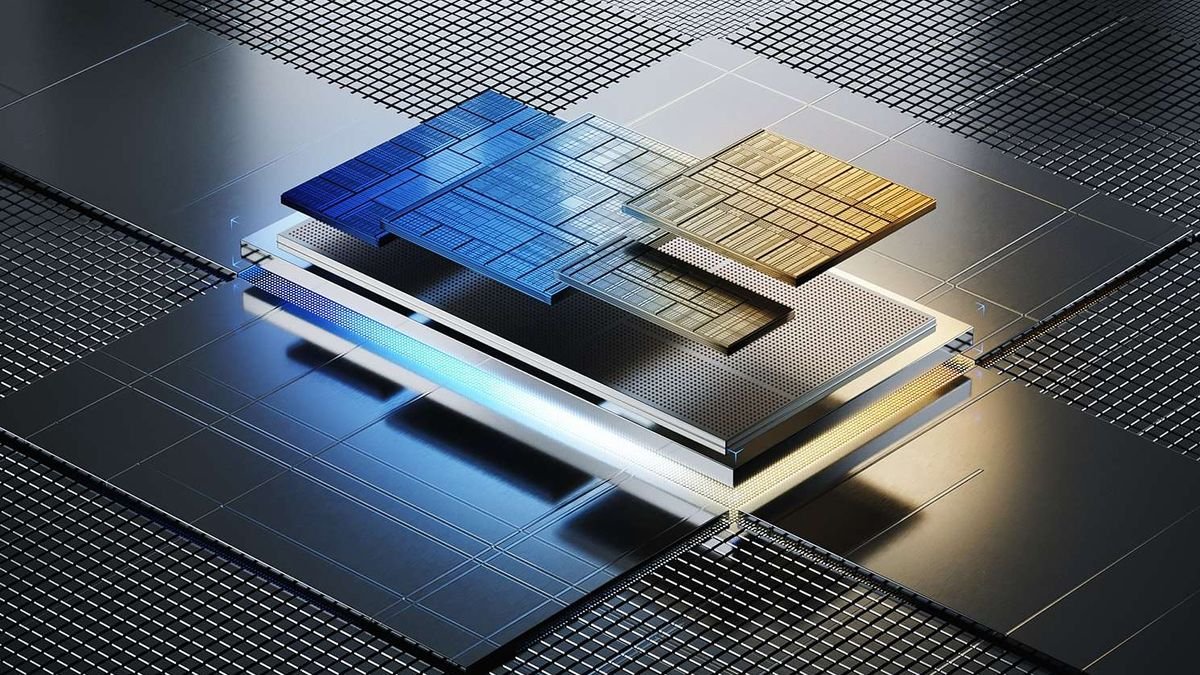
NVIDIA has invested $5 billion in Intel, acquiring about 214.7 million shares at $23.28 each. The collaboration aims to jointly develop custom data-center CPUs and integrate NVIDIA RTX GPUs into Intel PCs, strengthening both firms’ AI technology and Intel’s chip production capabilities.  

Key Points Of The Agreement 

  • $5 billion invested for about 214.7 million Intel shares at $23.28 each.  
  • The companies will focus on custom data center CPUs and PC SoCs that use NVIDIA’s and Intel’s x86 architectures.  
  • Intel will produce custom x86 processors for NVIDIA AI systems.  
  • NVIDIA RTX GPU chiplets will be integrated into Intel PCs.  
  • This partnership demonstrates confidence in Intel’s manufacturing and supports U.S. AI infrastructure.  

Background Factors 

  • Financial support: disinvestment gives Intel a much bigger boost after recent complications and manufacturing problems, providing the funds to support its growth plans.  
  • Regulatory approval: US antitrust authorities approved the deal after it was announced in September 2025.  
  • Market Impact: The news had a significant impact on Intel’s stock price, underscoring a broader trend in AI and its partnerships.  

Intel will design and manufacture custom data center and client CPUs using NVIDIA NVLink as part of the partnership.  

NVIDIA and Intel will collaborate on custom data center and PC products to accelerate applications and workloads across markets.  

The companies will connect their architectures via NVIDIA NVLink, combining NVIDIA’s AI/Accelerated Computing with Intel’s CPU/x86 ecosystem to deliver advanced customer solutions.  

Intel will produce x86 CPUs tailored for NVIDIA to use in AI infrastructure platforms and for the broader market.  

For PCs, Intel will build x86 system-on-chip (SoC) designs integrating NVIDIA RTX GPU chiplets. These x86 RTX SoCs will produce PCs that require top CPUs and GPUs working together.  

NVIDIA will invest $5 billion in Intel’s common stock at $23.28 per share. The investment is subject to standard closing conditions and governmental approvals.  

AI is driving a new industrial revolution and transforming computing from hardware to software. NVIDIA’s CUDA architecture is central to this shift, said NVIDIA founder and CEO Jensen Huang. This partnership rematches NVIDIA’s AI and accelerated computing with Intel’s CPU and x86 ecosystem. Together, we will expand our ecosystems and set the stage for the next era of computing.  

Intel’s x86 architecture has been a key part of contemporary computing for decades, and we are updating our products to support future workloads, said Lip-Bu Tan, Intel’s CEO. Our leading data center and client computing platforms, along with our technology and manufacturing strengths, will complement NVIDIA’s AI and accelerated computing. We thank Jensen and the NVIDIA team for their trust and look forward to working together to innovate for customers and our business.  

Press Conference: The CEOs of NVIDIA and Intel will host a webcast press conference today at 10:00 AM Pacific Time and 1:00 PM Eastern Time. To hear the announcement, the public can watch the webcast at https://events.q4inc.com/attendee/108505485

Source- NVIDIA and Intel to Develop AI Infrastructure and Personal Computing Products 

Enhanced Toyota Audio Multimedia Experience will launch with the 2026 RAV4.  

  • This is the first time the system will use AT&T’s 5G cellular network, which means faster mobile internet speeds for the vehicle’s features.  
  • Intuitive smartphone-like design brings customizable widgets to the head unit on screen.  
  • New embedded voice assistant functions enable faster responses to “Hey Toyota” prompts.  
  • Enhanced entertainment with the introduction of SiriusXM with 360L and newly available integrated streaming with Spotify.  
  • Turn-by-turn navigation is now incorporated into the full-screen digital gauge cluster A1st for Toyota Audio Multimedia.  
  • Launch of standard built-in drive recorder, a feature that, when operating, can utilize exterior cameras to capture both manual and triggered events.  

Toyota is raising the bar for in-car technology with an improved Toyota Audio Multimedia System. This new system will first appear in the All-New 2026 RAV4, America’s best-selling compact SUV, and will be available in more Toyota models soon. Thank you.  

The newest Toyota Audio Multimedia system adds features built for customers and highlights Toyota’s ongoing focus on quality and improvement.  

North American Made, Globally Inspired 

Toyota developed the latest audio multimedia system by listening closely to customer and dealer feedback. The TMNA R&D and Connected Technologies teams worked with designers and engineers at TCNA to create this updated system. Ongoing collaboration with TNC and Woven by Toyota enables regular updates, improving ownership experience over time.  

The teams behind our new Toyota Audio Multimedia System worked together to create something they are proud to offer in the RAV4 this year, said Brian Inouye, Chief Engineer at Toyota Motor North America. The improvements focus on both function and performance, and we’re very excited for customers to enjoy a new kind of in-cabin experience.  

Tech Forward 

This is the first Toyota Audio Multimedia with AT&T 5G connectivity, offering faster speeds and lower delay for app use.  

The system still runs on Automotive Grade Linux with open-source software, but now also uses Woven, Toyota’s Arene Software Development Kit. Adding Arene is Toyota’s first step toward fully software-defined vehicles. This platform will support Toyota’s most cutting-edge safety, security, and connectivity features and will help bring new features to customers worldwide.  

Seamless UX for A Dynamic Interface 

The interface is smooth and easy to use with sharp graphics on the 2026 RAV4’s 10.5-inch or 12.9-inch screen. Faster touch-screen response comes from improved computing power.  

The interface lets users customize the home screen using widgets for navigation, drive mode, audio devices, and weather, grouped for easy viewing. A quick control menu is always available in the upper right corner of the display. The menu provides rapid access to common settings such as Bluetooth connections, display brightness, dark or light mode, a one-touch palm-to-roadside assistance, and a shortcut to toggle advanced driver-assist system features.  

The system supports wireless Apple CarPlay and Android Auto for broader device connectivity.  

Hey, Toyota, but Faster 

Toyota’s voice assistant now responds faster to voice commands thanks to a new built-in solution.  

The system uses microphones placed around the vehicle, allowing users and passengers to use the voice assistant. Just say, “Hey Toyota,” “Hi Toyota,” or “OK Toyota” to get help with common features, including adjusting audio, changing radio stations, setting climate controls, checking the date, time, trip range, and more. The voice assistant can also do basic math and help you find many pages. With a Drive Connect trial or subscription, you can also use cloud-based navigation and get weather updates. Yota’s voice assistant, which provides access to many of these features, takes less time than the previous-generation system because a cloud connection is no longer necessary.  

Navigation Gets a Helping Hand 

For the first time ever, Toyota’s in-cabin multimedia system works closely with the metadata display. Now maps and turn-by-turn directions fill the digital gauge cluster behind the steering wheel, making it easier for drivers to see navigation information. Description: provides access to real-time traffic information and 24/7 live agents for destination assistance, all designed to make your trips easier.  

Launch Of All-New Drive Recorder 

The new Toyota Audio Multimedia System includes Drive Recorder as a standard feature, offering dashcam-style recording without requiring additional interior cameras. It utilizes the vehicle’s exterior cameras to capture and save video clips. Drivers can manually record events, save clips triggered by specific conditions, and adjust the system’s event sensitivity. Recorded clips can be viewed on the vehicle’s display or downloaded to a USB flash drive.  

Upgraded Remote Connect feature 

The new Toyota Audio Multimedia System works seamlessly with the Toyota app and introduces additional remote connect features. With an active trial or subscription, you can now use the app to control functions such as headlights, hazard lights, trunk, windows, and more with a single Tap.  

Entertainment Like Never Before 

The new Toyota Audio multimedia system offers a range of new entertainment options to match every customer’s playlist.  

SiriusXM with 360L brings together satellite and streaming content for a smooth listening experience. Drivers and passengers get hundreds of ad-free music channels, sports, comedy, news, entertainment, and a large library of on-demand content.  

SiriusXM is available throughout the continental United States and Canada.  

If you own the new 2026 RAV4 and have a Spotify account, you can link it to stream your favorite playlists, audiobooks, or podcasts through the car’s audio system.  

Integrated Streaming is a subscription feature from Toyota that lets you use your existing audio streaming accounts to play entertainment via the vehicle’s built-in Wi‑Fi, eliminating the need to use a phone data plan.

Source: The Latest Evolution of Toyota’s Multimedia Coming to a Screen Near You