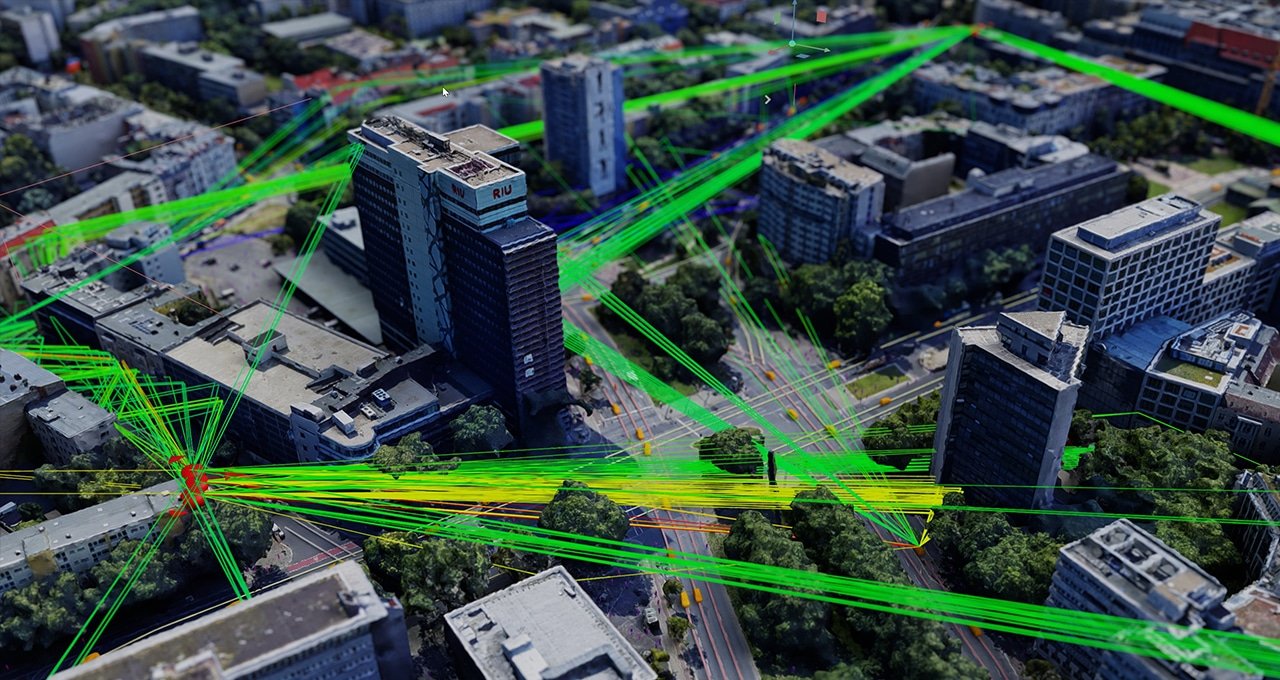
Dell Technologies shared its strategy at the Morgan Stanley Technology Media & Telecom Conference 2026 on March 4. The company reported healthy financial results and stressed its focus on AI servers as a main growth area. Dell is positive about the future but also recognizes continuing challenges in the traditional market.  

Key Takeaways 

  • Dell achieved over 20% revenue growth and 25% EPS gains in fiscal 2027.  
  • The AI server business is growing quickly, and Dell now holds a $43B backlog.  
  • Dell plans to give back more than 80% of its free cash flow to shareholders.  
  • The traditional PC market continues to face challenges, including slow Windows 11 adoption.  
  • Dell’s approach to capital management includes a large share repurchase program.  

Financial Results. 

  • In fiscal 2027, Dell’s revenue and EPS grew by over 20% and 25%, respectively.  
  • Q4 achieved record revenue, and EPS benefited from a $43B AI backlog.  
  • Dell bought back 54 million shares last year, including 14.9 million in Q4.  
  • Dell expects 25% EPS growth this year and a strong Q1.  

Operation Updates 

  • Dell’s $34B surge in AI server demand marks a record-high pipeline driven by enterprise appetite for scalable AI deployments.  
  • Dell expanded its enterprise AI customer base from 3,300 to over 4,000 within 90 days, indicating strong market momentum for its solutions.  
  • Strong engineering and advanced power solutions underpin Dell’s AI Server for success, supporting efficient delivery and performance.  
  • Project Lightning is on track for initial production and deployment in the year’s first half, aiming to rapidly address new customer needs.  
  • Demand for a dense IP storage portfolio grew by 12% last year, expanding margins.  

Future Outlook 

  • Dell is focused on maintaining and growing its strong AI server pipeline, with a five-quarter plan to drive continued growth and meet new market needs.  
  • Dell aims to make FY2027 its strongest by leveraging AI, strengthening relationships, and driving innovation to address changing demand.  
  • To address the ongoing memory market cycle, Dell is implementing proactive decision-making processes by adapting operational strategies to capitalize on rapid market changes.  
  • Dell’s call is still to return more than 80% of its free cash flow to shareholders, and it has reached 84% since starting the program.  

Q&A Highlights 

Dell plans to actively pursue Grace Blackwell’s business opportunities and guarantee it can secure enough supply.  

Dell is focusing on investments in its sales teams and engineering capabilities.  

Dell’s Supply Chain is ready to meet its year-end targets.  

For more details, see the full conference call transcript below.  

Full Transcript Morgan Stanley Technology, Media & Telecom Conference 2026  

Erik Woodring, Analyst, Morgan Stanley: Let’s get started here. Welcome back to Day 3, the afternoon of Day 3. My name is Erik Woodring. I lead the hardware coverage here at Morgan Stanley, and I’m delighted to be joined by Dell Technologies CFO David Kennedy.  
 
Before we get started, a few things at my end:  

  • Please see the Morgan Stanley Research Disclosure website at morganstanley.com/research disclosures.  
  • If you have any questions, please contact Morgan Stanley Sales Representative.  

From Dell’s perspective, statements in this presentation regarding future results and events are forward-looking and based on Dell Technologies’ expectations. In some cases, you can identify these statements by such forward-looking words as “anticipate”, “believe”, “could”, “estimate”, “expect”, “intend”, “confidence”, “may”, “plan”, “potential”, “should”, “will”, and “would”, or similar expressions.  

Risks, uncertainties, and other factors, including those in Dell Technologies’ ICC filings, may cause factual results and future events to differ materially from those the forward-looking statements express or imply. Dell Technologies does not undertake to update these statements. David is attending the TMT conference for the first time. 

SourceDell at Morgan Stanley Conference: AI Servers Drive Growth 

Key Takeaways 

  • Amazon has joined the White House energy pledge to help strengthen the power grid and protect customers from higher costs.  
  • We cover all of our data center energy costs, including expenses for new energy sources and grid improvements.  
  • Since 2020, Amazon has been one of the world’s largest buyers of carbon-free energy.  
  • Amazon operates more than 700 carbon-free projects providing over 40 GW of energy to communities.  

Today, Amazon is proud to have signed the ratepayer protection pledge at the White House. We appreciate the administration’s leadership on this issue. The pledge sets an important standard to protect ratepayers and support responsible long-term energy partnerships that strengthen the grid and the communities where our data centers are located.  

At Amazon, we build and run our data centers responsibly. We pay all our costs ourselves and invest in new energy sources that strengthen the grid for everyone. When we build a data center, we also invest in the local community.  

Because of these efforts, Amazon data centers create thousands of skilled jobs, open up new opportunities for local businesses, generate hundreds of millions in tax revenue for schools and services, and support programs that help people find good jobs.  

We understand that rising utility costs are a concern for American families. While data centers are often discussed, independent studies show they actually help keep rates lower even as other factors drive costs up.  

When Amazon builds new data centers, we also help upgrade the power grid. Meeting the country’s growing energy needs is key to keeping electricity affordable and reliable, supporting daily life, growing the economy, and keeping the U.S. competitive.  

Amazon’s Role in America’s Electricity System 

Amazon pays all of its electricity costs and invests heavily in new energy generation and transmission infrastructure that benefits our communities. We work with grid operators and other partners to ensure the grid can meet future demand and that costs are not passed on to customers.  

For example, we have participated in utility rate proceedings in Indiana, Missouri, Ohio, Oregon, and Virginia to ensure we protect ratepayers and pay the full cost to serve our data centers. For Amazon, paying the monthly power bill is only part of what it takes to run a data center responsibly. We also pay for the additional infrastructure to deliver the power to our data centers, including new transmission lines, substations, and other grid upgrades.  

We achieve this through long-term agreements with utilities that include things like:  

  • minimum demand charges  
  • financial guarantees  
  • multi-year commitments  

These agreements ensure Amazon pays all the costs of serving our data centers, not households or small businesses.  

Amazon’s Great Modernization Benefits Local Communities 

Amazon’s long-term commitments gave utilities the confidence and funding to update the grid, supporting nearby communities, households, and businesses, for example:  

  • In Indiana, regulators approved an agreement between Northern Indiana Public Service Company (NIPSCO) and Amazon that will save NIPSCO customers about $1 billion over 15 years near Amazon’s Project RAGNAR, one of the world’s largest AI compute facilities. Indiana Michigan Power (I&M) recently announced rate reductions. The extra revenue from data center growth is helping lower customers’ costs.  
  • In Louisiana, Amazon partnered with Southwestern Electric Power Company (SWEPCO), to cover all costs related to our new data center campus. This includes fully funding new energy infrastructure and grid upgrades needed for Amazon’s data centers. These investments also improve dependability for all SWEPCO customers.  
  • Entergy has launched a 300 million grid transformation project in Mississippi to improve reliability and aims to cut outages by half with investments from Amazon and other large customers. Residential customers will not incur any additional costs.  
  • In Pennsylvania, our agreements ensure that we contribute to the transmission system. According to PPL Electric Utilities, this helps reduce costs and funds local grid upgrades, benefiting all energy users in the area.  

In Pennsylvania, our investment in the new Salem Township Data Center campus also provides major financial support for the nearby Susquehanna Nuclear Power Plant. This helps ensure the plant can keep producing safe, reliable nuclear energy for years to come.  

How Amazon Is Helping Power America’s AI Future 

The American economy is growing, and energy demand is rising due to advanced manufacturing, transportation, and new technologies such as AI. This shows economic strength and potential, but it also means our grid needs to modernize much faster than before. To do this, utilities, regulators, policymakers, and energy providers must work together, develop smart policies, expedite permitting, and continue investing in transmission infrastructure.  

Amazon invests in long-term energy commitments to build a stronger, more affordable energy future. We lead as one of the largest buyers of carbon-free energy and operate over 700 projects, providing more than 40 GW of capacity.  

These projects do more than add new carbon-free energy. They create thousands of construction jobs and hundreds of permanent jobs in their communities. They supply new energy for homes, hospitals, and schools, and modernize the infrastructure that keeps costs stable and affordable. They also support AI innovation and new technologies that are key to America’s leadership.  

We are also leading the way in new nuclear power in Washington. We signed an agreement to develop advanced small modular nuclear reactors (SMRs) with capacities up to 960 MW. We have invested in X-energy, a leading US company developing SMRs to help add more than 5 GW of new nuclear capacity by 2039. We are also working with US national labs, such as Idaho National Laboratory and Lawrence Livermore National Laboratory, to use our AI technology to help them develop the next generation of safe nuclear fission and fusion power.  

A Responsible Way Forward 

By signing the Red Pair Protection Pledge today, Amazon is committed to strengthening America’s energy future. We seek to improve affordability, reliability, and innovation by investing in new grid energy, building responsibly, and partnering with communities to deliver digital economy benefits for everyone.  

Even as we invest in modernizing the grid, more work is needed. Much of America’s electric grid was built for a different time, and now 70% of transmission lines are over 25 years old. Slow permitting and administrative delays are holding back important energy and infrastructure projects, causing higher utility bills and putting growth and US competitiveness at risk. That’s why we keep encouraging bipartisan network teamwork at all levels to unlock private-sector innovation and investment, strengthen America’s technology, and protect long-term economic and national security.  

The Ratepayer Protection Pledge is an important step toward a stronger grid that supports American families, drives our economy, and keeps the United States at the forefront of global innovation. We look forward to working with the Administration, Congress, utilities, regulators, and policymakers at every level to protect ratepayers, strengthen the grid, invest in national infrastructure, and build America’s energy future.  

Source: A responsible path forward for America’s energy future 

News Highlights 

  • Meta and AMD have announced a multi-year partnership to expand Meta’s AI infrastructure using advanced, next-generation AMD Instinct GPUs for training and deploying high-performance AI models.  
  • The partnership involves deploying up to 6 GW of AMD Instinct GPUs over several years.  
  • The first phase will use AMD Helios rack-scale architecture, showcased at the 2025 Open Compute Project Global Summit. Shipments of these custom AMD Instinct MI450 GPUs, specifically designed for Meta’s AI workloads, will begin in the second half of 2026.  
  • AMD and Meta are strengthening their partnership through aligning their plans for GPUs, CPUs, systems, and software.  

The 6 GW agreement will power Meta’s next-generation AI infrastructure using AMD Instinct GPUs.  

The initial Gigawatt-scale deployment features custom AMD Instinct MI450 GPUs and 6th Gen AMD EPYC Venice CPUs. These are integrated with ROCm software and AMD Helios rack-scale architecture, developed through collaboration in the Open Compute Project. Shipments start in the second half of 2026. etc.  

We are proud to expand our partnership with Meta as they advance AI at scale, said Dr. Lisa Xu, Chair and CEO of AMD. This collaboration aligns our roadmaps, delivering high-performance, energy-efficient infrastructure optimized for Meta’s workloads and accelerating a major AI deployment.  

We are excited to partner with AMD to deploy efficient compute and deliver personal super intelligence, said Mark Zuckerberg, founder and CEO of Meta. This partnership helps diversify our compute, and I expect AMD to be an important, long-term partner.  

Beyond GPUs, AMD and Meta are expanding their collaboration on EPYC processors. Meta has used millions of AMD EPYC CPUs and various MI300/MI350 GPUs. CPUs remain crucial for scaling complex AI systems. Meta will be among the first to use 6th Gen EPYC CPUs from AMD, optimized for performance and efficiency.  

As part of the agreement to further align strategic interests, AMD has issued Meta a performance-based warrant of up to 160 million shares of AMD common stock. The warrant will vest as certain shipment milestones for Instinct GPUs are met, with the first tranche vesting upon the initial 1 GW of shipments, expected to occur after shipments begin in the second half of 2026.  

  • Additional tranches vest as Meta’s purchases scale to 6 GW.  
  • Vesting is further tied to AMD achieving certain stock price thresholds.  
  • Exercise is tied to Meta achieving key technical and commercial milestones.  

We expect this partnership to drive substantial multi-year revenue growth and be accretive to our non-GAAP earnings per share, representing another major step forward in delivering on our ambitious long-term financial model, said Jean Hu, EVP, CFO, and Treasurer, AMD. The performance-based structure also tightly aligns AMD and Meta around execution and long-term value creation.  

AMD and Meta are working together on hardware systems and software to build a global AI infrastructure. The goal is to speed up AI innovation and deliver AI-powered services to billions of people. 

News Summary 

  • AMD is adding to its Ryzen AI lineup with the new Ryzen AI 400 series and Ryzen AI Pro 400 series desktop processors. These are the first desktop processors designed for next-gen AI PC applications and support Co-Pilot+PC features.  
  • OEM Partners are launching new AI PCs, including Enterprise Notebooks and Mobile Workstations, that use AMD Ryzen AI Pro 400 Series Mobile Processors.  
  • RyRyzen AI 400 series mobile processors deliver up to 30% faster multi-threaded performance, helping professionals finish tasks more quickly while maintaining battery life. AMD now provides its widest range of Enterprise PC solutions supported by the AMD Pro platform. This platform improves security, manageability, and resilience for large-scale AI PC rollouts.  

At Mobile World Congress 2026, AMD introduced the Ryzen AI 400 series and Pro 400 series of desktop processors. These offer strong on-device AI acceleration, supporting demanding tasks and enabling local AI applications. Workstations are also joining the Ryzen AI 400 mobile lineup. These processors let OEMs offer high-performance systems for demanding workloads.  

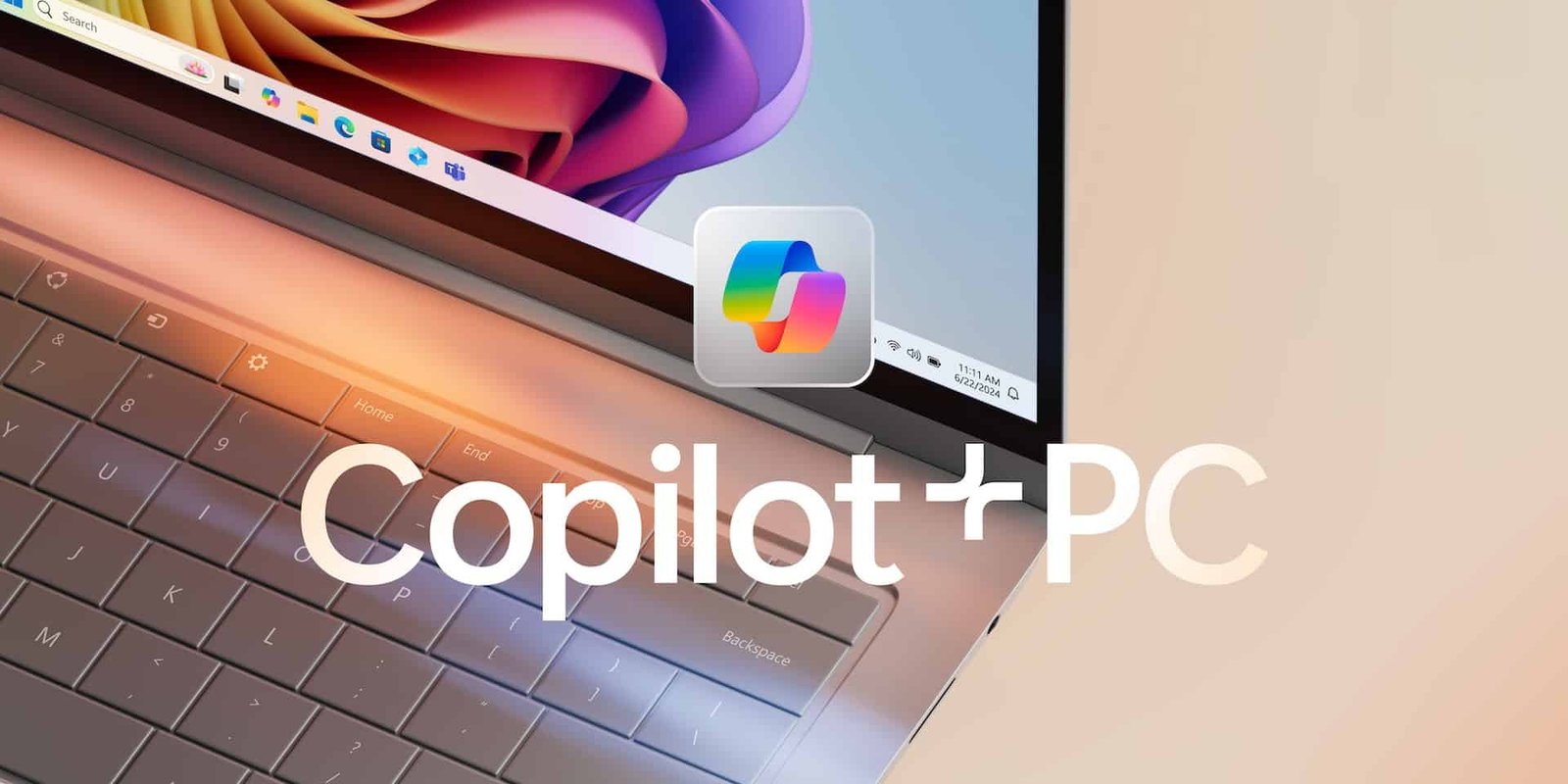
The AI400 series supports Microsoft Co-Pilot Plus, featuring an NPU delivering up to 50 TOPS of AI power for running AI tools on-device, providing better control and privacy. The desktop PC is evolving from a tool you use to an intelligent assistant that works alongside you. Said Jack Huynh, senior vice president and general manager of the Computing and Graphics Group at AMD: “With the Ryzen AI400 series processors, the world’s first designed to power new Copilot + experiences on the desktop.” We are bringing powerful AI acceleration that enables our partners to build systems that empower both enterprises and consumers to do more and create more.  

The World’s First Co-Pilot + desktop processor for next-gen AI applications 

The AMD Ryzen AI 400 series combines a Zen 5 CPU, RDNA 3.5 graphics, and an XDNA 2 NPU, delivering scalable performance and local AI acceleration across tasks such as multitasking, software development, and AI-assisted work. 

Ryzen AI 400 Series Desktop Availability 

AM5 desktop systems with Ryzen AI 400-series processors are expected to be available from OEMs such as HP and Lenovo starting in the second quarter of 2026.  

Source: AMD Gives Consumers and Businesses More AI PC Options with Expanded Ryzen™ AI 400 Series Portfolio 

Ericsson has expanded its partnership with Intel to develop and bring to market what it describes as AI-native 6G solutions.  

Intel and Ericsson aim to jointly develop complete AI-native 6G solutions that span the full network spectrum, from connectivity to the cloud, RAN, packet core, and security. Ericsson retains its own silicon while Intel’s technology enhances performance.  

The goal is to create a network design that integrates smart, programmable networks with advanced computing and real-time sensing. This should lead to more responsive, efficient, and capable services and help sensing and computing work more closely together.  

6G is not simply an iteration of mobile technology. It is the infrastructure that will distribute AI across devices, the Edge and the Cloud, said Ericsson CEO Borje Ekholm. Ericsson’s long history of network innovation and large-scale operator deployments enables us to lead practical integration across the value chain and move 6G from research into commercial reality.  

Aside from the technology itself, the expanded partnership is a strategic move for Intel to strengthen its position in the telecom sector, following early progress in mobile with its Xeon-based v-RAN solutions. Intel has faced stiff competition from Nvidia, which is gaining ground with AI accelerators for networks like AI RAN.  

Ericsson’s announcement comes soon after its rival, Nokia, shared updates on its progress in developing AI-native 6G infrastructure with NVIDIA. Last year, NVIDIA, a competitor to Intel, invested $1 billion in Nokia to support its AI-RAN ambitions.  

Intel and Ericsson seek to differentiate themselves by emphasizing energy efficiency. Intel is recognized for CPUs and Nvidia for GPUs, which shape each company’s energy strategy.  

Intel’s ambition is to be the undisputed technology leader in combining R&D and core and edge AI to enable an effortless transition to AI-native 6G environments. Together with Ericsson, we will continue to demonstrate that the future of network connectivity is open, power efficient, secure, and grounded in Intelligent AI Inference, said Lip-Bu Tan, CEO of Intel.  

With future Ericsson silicon powered by Intel’s most advanced process nodes, ongoing multi-year research plans, and flexible AI-RAN-ready cloud RAN powered by Intel Xeon, we are well on our way to bringing the future performance, efficiency, and supply security that the world’s leading operators require.  

All four companies envision AI-powered 6G networks. For the US, Ericsson and Intel’s approach emphasizes coast-to-coast network coverage and energy efficiency, but the winning strategy remains to be seen.  

Source:  Ericsson and Intel lay out their vision for ‘AI-native 6G’ 

Windows 11 Insider Preview build 28020.1685 is now out in the Canary Channel.  

Canary Channel offers Microsoft’s most experimental public previews for early feature and platform tests.  

  • The 28000 series for features  
  • The optional 29500 series for platform development  

Features in Canary roll out gradually and might not show up for all testers right away.  

The Windows Insider team’s blog post about Build 28020.1685 is brief, with at least two updates, and repeats the usual warnings about possible problems:  

  • a controlled feature error  
  • ongoing translations  
  • The need for a full reinstall to leave Canary  

The post refers to this build as KB5079381.  
 
Next, I will explain what these updates mean day to day. I’ll compare them with Windows Notes and independent reports, discuss what they mean for testers and IT staff, and offer tips for users and admins who may use this build.  

What’s new in Canary Build 28020.1685? 

We are excited to share these changes and improvements, which you can turn on with a switch.  

Storage: Removing Windows Update files and Windows. Old through Settings > System > Storage is now easier and works better.  

File Explorer: Now you can easily use voice typing (Windows key + H) when renaming files in File Explorer. Give it a try.  

Reminders for Windows Insiders in the Canary Channel 

  • Curious about what’s next for Windows 11? Become a Windows Insider for early access to exciting new features and updates. Keep in mind these builds may be unstable and have limited documentation.  
  • We use control-feature rollout to test features with a small group, gather feedback, and then expand them to more insiders.  
  • A desktop watermark in previous days is normal.  
  • Some features may reach Dev and Beta channels before Canary.  
  • The features may not be fully localized. Please report any language issues through the feedback hub.  

To leave the Canary Channel, perform a clean install of Windows 11. You can’t switch to a lower build number without this step due to technical requirements.  

Want to know which build is available in each insider channel? Visit the flight hub and stay up to date with the latest.  

Source: Announcing Windows 11 Insider Preview Build 28020.1685 (Canary Channel)  

Google Core Updates can significantly change search rankings, web traffic, and online visibility. The March 2026 update will likely emphasize content quality, user experience, AI detection, and authority signals.  

To stay ahead, it’s essential to know how core updates impact rankings and the steps needed to adjust your SEO approach.  

What is a Google Core Update? 

A Google Core Update is a major change to how Google ranks websites. Unlike updates that target spam or certain topics, Core Updates change how Google looks at certain things, like:  

  • Content Quality  
  • Relevance  
  • Authority  
  • User Experience  
  • Technical SEO performance.  

These updates don’t directly punish websites. Instead, they review content across the web and reward pages that better meet users’ needs.  

Key themes of the March 2026 Google Core Update 

Google doesn’t usually share exactly how it ranks websites, but experts say this update focuses on:  

  • Stronger E-E-A-T signals  

Google still prioritizes experience, expertise, authoritativeness, and trustworthiness. Sites that show real expertise and clear authorship tend to stay more stable after updates.  

  • AI Content Quality Detection  

As more content is generated by AI, Google is getting better at identifying thin, low-value, or overly automated pages. The goal isn’t to punish AIuse, but to reward content that is original, helpful, and made for users.  

  • Searching Tent Alignment  

Pages that clearly answer user questions, are well structured, and are easy to read are doing better than pages that are vague or stuffed with keywords.  

  • Technical Performance Signals  

Core Web Vitals, Fast Site Speed, Mobile First, and a well-designed, simple site structure are still key for good rankings.  

How This Update Impacts Businesses 

After a core update, businesses might notice:  

  • Increased organic traffic  
  • Decreased Rankings  
  • Keyword position fluctuations.  
  • Changes in featured snippet visibility  

If your rankings go down, it’s rarely because of a penalty. Usually, it means your competitors have improved their content or user interface.  

Businesses that focus on local SEO, technical audits, and smart content planning are more likely to stay steady during algorithm changes.  

Signs Your Website May Be Affected 

Check your analytics if you see any of these signs:  

  • Subtle traffic declines without a seasonal explanation  
  • Keyword ranking drops across multiple pages.  
  • Reduced click-through rates from search results  
  • Lower engagement metrics  

After identifying potential signs of an impact, it’s important to closely monitor key analytics following a core update. Closely monitor your Google Search Console and organic traffic.  

How To Optimize After The March 2026 Google Core Update 

If your site’s content performance has changed a lot, try these steps.  

Audit Content Depth: Ensure each page fully answers users’ needs and offers clear value.  

Improve Internal Linking: Add relevant internal links to build authority and guide visitors.  

Elevate trust signals by clearly showing authority, credentials, reviews, and contact info.  

Optimize Technical SEO. 

Through a complete technical SEO check, PISPOP issues like:  

  • Crawl errors  
  • Broken links  
  • Duplicate content  
  • Page speed issues  
  • Mobile usability problems  

Remove or consolidate thin pages. 

Low-value or outdated pages can dilute a site’s overall authority.  

Why algorithm updates are an opportunity 

Core updates can seem disruptive, but they aim to improve search results. Companies with a solid content strategy, rather than a quick fix, often benefit after updates.  

If you follow a detailed SEO plan, create quality content, and update consistently, your website will grow steadily.  

Conclusion 

In March, Google Core Update reinforces Google’s devotion to quality, relevance, and user-first content. Businesses that value authority, technical performance, and meaningful user involvement will continue to perform well.  

Being proactive and strategic after updates helps your site grow and maintain performance.  

Source: March 2026 Google Core Update 

Huang’s keynote. Over 1,000 expert-led sessions and pioneering advances across the AI stack will anchor the world’s premier AI conference.  

NVIDIA announced that GTC, the world’s leading AI and accelerated computing conference, will be held March 16-19 in San Jose, California. Over 30,000 developers, researchers, business leaders, and AI-focused companies from more than 190 countries will gather to see how AI is becoming essential infrastructure for a new industrial era.  

GTC is at the center of the AI industrial era, said Jensen Huang, founder and CEO of NVIDIA. AI is now essential infrastructure. Every company will use it, and every nation will build it. From energy and chips to models and applications, every part of the stack is advancing together, visible at GTC.  

What to expect at GTC 2026 

Huang will deliver the keynote at the SAP Center on March 11 at 11:00 pm PT, covering NVIDIA’s latest advances in accelerated computing, AI factories, open models, agentic systems, and physical AI. The keynote sets the industry’s direction for the year. Watch live or on demand at nvidia.com; registration is not required.  

GTC covers every dimension of AI, from energy and semiconductors to infrastructure, models, and applications. Through keynotes, sessions, and demonstrations, attendees discover how unique technologies and collaborations are evolving each layer and empowering one of the largest infrastructure expansions to date.  

There will be over 1,000 sessions covering topics including AI factories, large-scale inference, robotics, digital twins, scientific computing, quantum technologies, and enterprise AI developments. GTC sessions will address building, scaling, and optimizing every layer of the AI stack, and how they intersect in production environments. Jensen Huang will lead a discussion on open frontier models and future developments, featuring industry leaders from A16Z AI, AMP coalition, Black Forest Labs, Cursor, Reflection AI, and Thinking Machines Lab.  

The GTC Live Keynote Program Show will feature industry leaders discussing accelerated computing beyond AI, the five-day stack, and the infrastructure projects and ecosystems necessary for global deployment. The event streams live online on Monday, March 16, at 8:00 p.m. PT, officially launching the conference. Featured speakers will include:  

  • Perplexity CEO Aravin Srinivas  
  • Featured speakers include Aravin Srinivas, CEO of Perplexity; Harrison Chase, CEO of Long Chain; Deepak Pathak, CEO of Skilled AI; Daniel Nadler, CEO of Open Evidence; and Arthur Mensch, CEO of Mistral AI.  

Hands-on training and certification (March 16 to 19): Developers and engineers can build important skills in AI, accelerated computing, networking, data science, and physical AI through nine full-day workshops, over six hands-on labs, and on-site certification, available throughout the conference dates. Self-paced courses, educator programs, and one-on-one training consultations are also available during the same period to help grow the workforce needed for expanding AI infrastructure.  

Startups, investors, and the AI ecosystem (March 16, 2019: Over 240 NVIDIA Inception startups will present technologies in physical AI, robotics, generative AI, and enterprise applications. Special startup and venture programs at the AI Day with top venture funds and NVentures. Sessions will take place throughout the event to connect founders and investors across all levels of the AI industry.  

Developer and research tracks (March 16 to 19): At GTC, developers can learn from NVIDIA engineers and partners and join the global community building the next generation of AI applications. Technical deep dives, Cuva sessions, and infrastructure workshops are scheduled daily, covering large-scale modern training, influence optimization, and cloud AI services across cloud, edge, and sovereign environments.  

More than 150 post-op presentations will highlight the latest research from the global AI community, including work on model innovation, robotics, systems architecture, and new AI applications. This event will turn downtown San Jose into an AI campus spanning 10 venues. Caesar Chavez Park will host a day-and-night market featuring food, entertainment, and live programming. The All In podcast will host interviews from the show floor on Wednesday, March 18th, and the student and community day on Thursday. March 19 will open GTC to the wider community at a discounted rate.  

Virtual programming with region-specific content will be available in the session catalog online from March 16 to 19, in parallel with the main event schedule.  

NVIDIA Financial Analyst Q&A for shareholders and analysts is scheduled for Tuesday, March 17, at 9:00 am PT, during the main conference. The webcast will be available at investor.nvidia.com. 

Source: NVIDIA CEO Jensen Huang and Global Technology Leaders to Showcase Age of AI at GTC 2026 

Enterprise AI is entering a new phase. Over the past two years, most of the focus has been on how quickly AI technology is advancing, with new models, features, and impressive demonstrations. This created an environment saturated with technical updates and product news, but now these are no longer the main barriers to adoption and value.  

Now the key question for leaders is not what AI can do, but how to use it to drive real change, improve decision-making, accelerate workflows, execute more effectively, gain new advantages, and even create new business models.  

This shift signals the need for resources that go beyond technology updates to address adoption and impact.  

That’s why we’re launching The Adoption Channel, a new OpenAI business blog that translates AI innovation into real business results. Here, leaders will find actionable insights on applying AI to solve operational challenges, make better decisions, improve efficiency, and gain lasting advantages. This channel is designed for C-level executives, AI transformation leaders, AI adoption leaders, and the teams guiding their organizations through the AI transition, helping enterprises thrive in an AI-native world.  

What You Can Expect Here 

  1. Where AI adds value and what success looks like: we’ll share clear ideas on business value. We will explain how leaders can spot opportunities. We will show what effective execution looks like in practice.  
  1. How organizations scale AI successfully: we’ll offer insights on what helps adoption grow, what can slow it down, and how top organizations move from testing to real change. Plus, how do responsibilities shift, and how do leadership and design adapt to build trust, control, and performance?  
  1. Separating Market Realities from Hype: We’ll offer a clear perspective on what matters, what is noise, and which trends are likely to impact business decisions.  
  1. Industry-specific perspectives based on real business needs: we explore these issues in different industries. We consider real constraints, systems, workflows, and regulations.  

To do this, we will share frameworks, decision tools, and operating patterns. We will give accurate, concrete examples. Most importantly, we will explain what leading organizations do differently. Our goal is to help leaders understand AI’s direction and decide what to do next.  

How We’ll Support You From Here 

Our writing will be clear, practical, and useful short for busy executives, yet detailed enough to support your decisions, with a focus on real-world implementation.  

If you are building, scaling, or guiding AI adoption in your organization, this resource is made for you. We provide practical guidance to help leaders drive effective change, seize AI opportunities, and build confidence as they navigate rapid workplace transformation.  

Welcome to Adoption News. Follow us to start building your advantages.  

Apple has introduced the new MacBook Air with M5, offering top performance and improved AI features to the world’s most popular laptop. The M5 chip includes a faster CPU and next-generation GPU, each with a neural accelerator, so MacBook Air can handle everything from creative work to advanced AI tasks.  

The laptop now starts with 502GB of storage, weighs as much as before, and uses a faster SSD with options up to 4TB. The new N1 wireless chip supports Wi-Fi 7 and Bluetooth 6 for easy, reliable connections wherever you are. MacBook Air keeps its thin, light, and strong aluminum build, features a sharp liquid-retina display, a 12-MP center-stage camera, up to 18 hours of battery life, immersive sound and spatial audio, and two Thunderbolt 4 ports that support up to two external displays with macOS Tahoe.  

The Apple MacBook Air is a great choice for students, creative professionals, and business users. The new MacBook Air with M5 comes in 13- and 15-inch sizes and four colors: sky blue, midnight, starlight, and silver. Pre-orders start tomorrow, March 4, and it will be available beginning Wednesday, March 11.  

The new MacBook Air with M5 brings incredible performance and even more capability to the world’s most popular laptops, said John Ternus, Apple’s Senior Vice President of Hardware Engineering. With M5, MacBook Air powers through a wide range of tasks from everyday productivity to creative workloads and is even faster for AI. Now featuring double the starting storage, Wi-Fi 7, and Bluetooth 6, in a sleek, durable design with long battery life. MacBook Air is the perfect laptop for anyone who values the unrivaled combination of performance and portability.  

Outstanding Performance with M5 for AI and More 

The M5 chip delivers strong performance across everyday and creative tasks. MacBook Air with M5 has a 10-core CPU, up to a 10-core GPU, and neural accelerators, providing up to 4x faster AI performance than the M4 and 9.5x faster than the M1. This makes it a powerful choice for both personal and professional AI use.  

The M5 chip features improved shader cores and a third-generation ray tracing engine, enabling faster gaming and 3D rendering. It also improves unified memory performance by 28% to 153 GB of bandwidth. Overall, the M4 means more seamless multitasking and quicker app launches. Overall, MacBook Air with M5 offers better performance than the previous models, including:  

  • AI video tasks run up to 6.9x faster on M1 and 1.9x faster on M4 than on M1.  
  • 3D rendering with ray tracing in Blender is up to 6.5 times faster than on a MacBook Air with a moon and up to 1.5 times faster than on a MacBook Air with M4.4  
  • Image processing in Affinity is 2.7 times faster than on a MacBook Air with M1 and up to 1.5 times faster than on a MacBook Air with M4.2.  
  • Web browsing is up to 50% faster versus PC laptops with Intel Core Ultra X7; demanding tasks are up to 3x faster.  

Double The Starting Storage And A Faster SSD 

The MacBook Air with M5 now starts at 512 GB of storage, as the previous models did. For the first time, you can configure it with up to 40 GB of storage, giving you plenty of room for big projects and games. The new SSD is priced the same as before, so you can open files quickly and work faster, whether you are a creator importing lots of photos or a student running AI tasks on your device.  

Tremendous Value for Upgraders With the World’s Most Popular Laptop 

If you are thinking about upgrading from an older MacBook Air, whether it has Apple silicon or an Intel chip, now is a great time. Along with the M5 fast chip, the new MacBook Air offers many exciting features. For example:  

  • A stunning Liquid Retina display: The 13.6″ or 15.3″ Liquid Retina display is bright at 500 nits and supports 1 billion colors. Everything looks vivid and detailed, and the text stays extra sharp.  
  • Exceptional Battery Life: You can get up to 18 hours of battery life, six hours more than the Intel-based MacBook Air with Fast Charging. You can work, create, or play all day without needing to plug in.  
  • Beautiful design and colors: The 13-inch MacBook Air is easy to carry for people on the move. The 15-inch version gives you more space for multitasking. Both are thin, light, and silent with a fanless design. They come in four colors:  
  • sky blue  
  • midnight  
  • Starlight  
  • Silver  
  • Advanced Camera, Mic, and Speakers: The 12-MP center stage camera with desk view makes you look your best and makes video calls more compelling. The three-mic array improves voice clarity. The sound system supports spatial audio and Dolby Atmos for a rich, three-dimensional experience while listening to music or watching movies.  
  • Wi-Fi 7 and Bluetooth 6 color the new Apple design and chip, delivering better performance and improved connection reliability.  
  • Flawless connectivity: the MacBook Air has two Thunderbolt ports for accessories. It supports up to two external displays, which is great for professionals and students who want more workspace. MagSafe provides dedicated charging and keeps your connection secure when plugged in.  

The power of macOS Tahoe. 

MacOS completes the MacBook Air experience with incredible features and built-in apps like Safari, Photos, Messages, and FaceTime, helping you get more done with macOS Tahoe. You can personalize your Mac with new color options for Folder App icons and widgets, thanks to Liquid Glass. Apple Intelligence brings powerful features and strong privacy, such as:  

  • live translation in messages for talking across languages  
  • smarter reminders that sort your tasks  
  • improve shortcuts that use Apple Intelligence to automate things like pulling info from a PDF and adding it to a spreadsheet  

Continuity features include:  

  • the iPhone phone app on Mac so you can make calls from your phone  
  • live activities, which show notifications in iPhone mirroring, so you can respond right from your Mac for video calls  

The new Edge Light effect provides even lighting for your face in any condition. 

Source: Apple introduces the new MacBook Air with M5